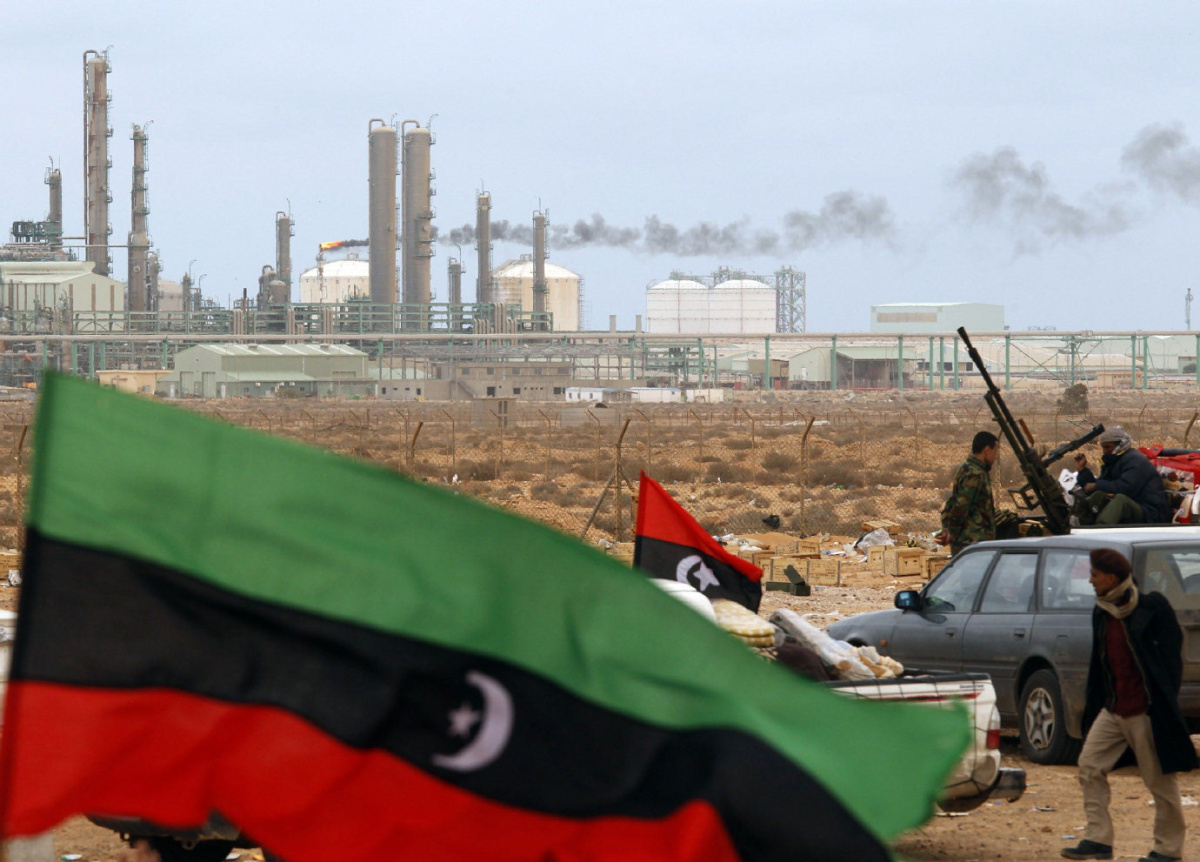
Libyan fuel smuggling may harm foreign investment prospects
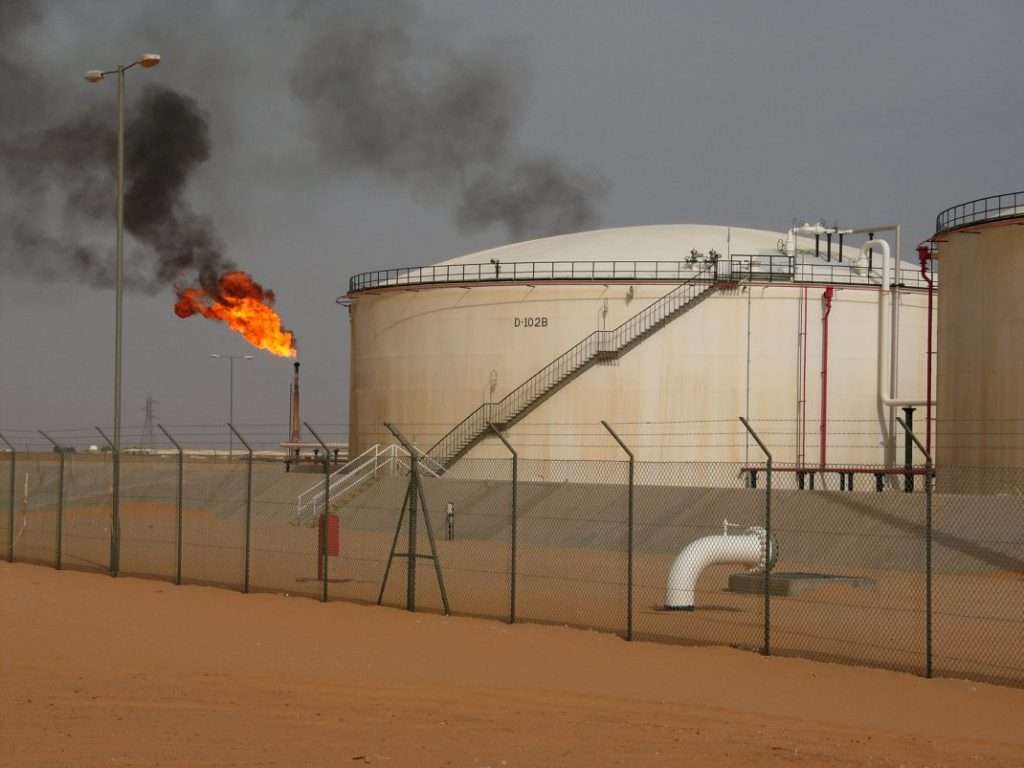

While Libya’s oil industry has seen major investments from global companies, the sector’s constant link to corruption and smuggling is set to be negatively impacting the industry’s prospects, The Arab Weekly reported on 17th November.

The North African country received renewed interest from global oil companies, who are reported to be returning to Libya’s energy sector following the country’s launch of its first bidding round in almost two decades.
There have been recent investments in Libyan oil fields, including an offshore oil rig project fronted by Italian energy company NextGeo, as well as the country’s brown field redevelopment project. This growing trend in oil production has garnered intrigue from the global community, with major US oil companies reportedly seeking opportunities for investment in Libya.
Although Libya is seen as an untapped resource-rich nation in the oil market, and these investments could serve as a strong avenue for the country’s redevelopment, there are many who doubt the benefits of international investment, citing the entrenched corruption of Libya’s oil sector. Libya’s oil industry is closely linked to a fuel-smuggling network that saw an unprecedented rise in petrol and diesel smuggling between 2022 and 2024. Last week, it was reported that state-sanctioned fuel smuggling cost the country almost $20b.
In a report written by the Executive Director of The Sentry, Justyna Gudzowska, it was revealed that corruption is a structural issue in Libya’s oil industry. She went on to argue that the rampant corruption and fuel-smuggling across the industry, which is stoked by elites who use these networks to hoard wealth and collate power, is likely to undermine sustainable investment opportunities from other nations.
As a result of the constant smuggling, Libya is reported to have neglected its public service infrastructure in favour of driving up fuel prices for the average citizen. Due to this, experts have stressed Libya to be an unreliable partner in oil investment. By engaging in oil deals with Libya, these countries would be financially aiding these corruption networks.
Therefore, Libya currently faces the challenge of enforcing accountability across its oil sector where corruption is rampant. While the commercial opportunities are undoubtedly attractive at a glance, the reality of fuel-smuggling and major investment losses sit firmly beneath the surface. If these international companies wish to utilise the untapped prosperous fields in Libya, there must be a global effort to crack down on these networks which inhibits the economic development of the country.
The Arab Weekly, Maghrebi.org, The Sentry
Want to chase the pulse of North Africa?
Subscribe to receive our FREE weekly PDF magazine