Syria begins trial into sectarian mass killings
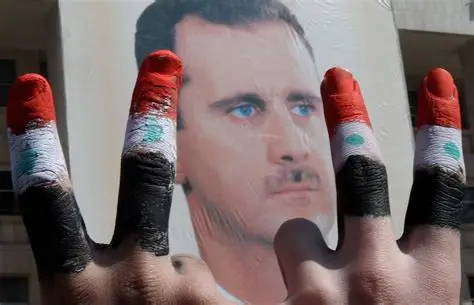

Syria has launched the first trial addressing the mass killings that unfolded in March, a period in which hundreds of Alawite civilians were slain amid clashes involving pro-government fighters and people loyal to the former Assad regime.
The trial, seen as a measure of President Ahmed al-Sharaa’s commitment to accountability, opened at the Aleppo Court of Justice in northern Syria on November 18th with a dozen defendants facing a range of serious charges, as reported by Reuters.
Judicial officials report that the defendants include individuals accused of participating in assaults on Alawite communities as well as suspects linked to attacks on government forces carried out by armed groups loyal to former president Bashar al-Assad, a member of the Alawite minority.
The events under scrutiny represent one of the deadliest outbreaks since Sharaa, backed by Sunni Islamist forces, removed Assad from power in December after more than five decades of rule by the Assad family.
The defendants face charges including fomenting civil war, secession, murder and looting. A court source and media coverage of the proceedings have indicated that prosecutors questioned suspects from both sides about the killing of civilians and the formation of militias that targeted military checkpoints and state facilities.

Investigations have produced conflicting casualty counts, although all acknowledge the severe scale of the violence. A Reuters inquiry released in June found that nearly 1,500 Alawites were killed between March 7th and March 9th, following a rebellion initiated by former officers loyal to Assad. A government committee reported in July that 1,426 people died during March in attacks on security forces and the subsequent killing of the Alawites.
Officials in Syria argue that these trials demonstrate a break from past practices under the Assad regime in which security personnel operated without oversight. Critics, including anti-government activists and Alawite advocacy groups, contend that the process lacks independence and credibility.
Al-Sharaa has so far weathered the storm after toppling Assad last year, however it remains to be seen if he is able to unite the ethnic mosaic that is Syria, which has been decimated and divided from over a decade of civil war.
The interim president has previously stated that it could take years for there to be new elections. Until then he must instill confidence throughout the country that he and his government will hold themselves accountable, just as he has called for accountability against the previous regime.
Reuters, Maghrebi.org
Want to chase the pulse of North Africa?
Subscribe to receive our FREE weekly PDF magazine