Emerging evidence raises doubts about U.S. actions in Iraq
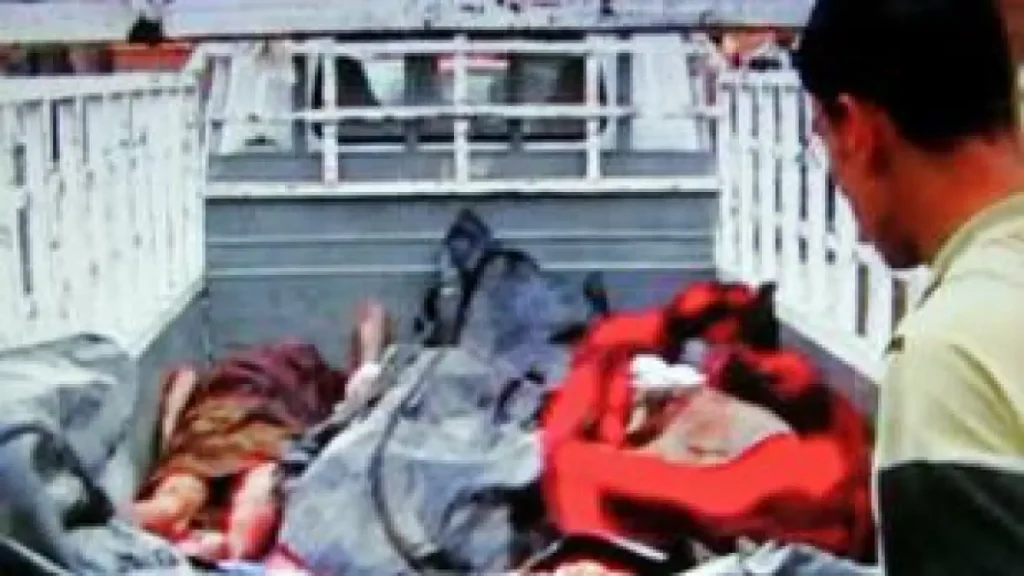

Newly uncovered evidence exposing two U.S. Marines in the killing of an Iraqi family in the town of Haditha has reignited accusations around American impunity during the Iraq war, nearly 20 years after the massacre took place, the BBC reported on November 17th.
A BBC Eye investigation delved into the events of November 19th 2005, when U.S. Marines killed 24 Iraqi civilians, including women and children, after a roadside bombing struck a U.S. convoy. The killings became known globally as the Haditha massacre.
A survivor of the massacre, Safa Younes, recalled the events that took place in her house stating, “my whole family was killed” , “We hadn’t been accused of anything. We didn’t even have any weapons in the house.” At 13 years old she remained the sole survivor in the house by lying motionless beneath their bodies.
Forensic analysis of the scene now suggests two marines, Lance Corporal Humberto Mendoza and Lance Corporal Stephen Tatum, entered the bedroom and opened fire. Newly released recordings from pre-trial proceedings reveal Mendoza placing himself 8ft inside the room, the approximate position of the first shooter as concluded by forensic expert Michael Maloney.
Tatum, in multiple testimonies, acknowledged identifying children before shooting. “This is where I saw the kid I shot. Knowing it was a kid, I still shot him”, he stated in one testimony. However, statements were disregarded as his defence argued comments were made under coercion.
Despite allegations, U.S. military prosecutors dropped all charges against Mendoza and Tatum, granting them immunity from further legal action. The only Marine to go to trial was Staff Sergeant Frank Wuterich, whose case concluded with a plea deal, in which he pleaded guilty to a charge unrelated to direct involvement in the killings.
Twenty years after events took place, no Marine has been tried for the killings in Haditha. The unveiling of new evidence has reignited discussion over the legacy of U.S. occupation in Iraq. Iraq war architect Dick Cheney defended the invasion to his final days, claiming it made the world “a better place”.
The aftermath of the invasion has shaped Iraqi politics to the present day, sowing a deep mistrust in foreign forces, and leading to the rise of the Islamic State which prompted the return of American troops in 2014. Iraqi Prime Minister Mohammed Shia al-Sudani aims to restore Iraq’s full sovereignty.
BBC, Maghrebi.org
Want to chase the pulse of North Africa?
Subscribe to receive our FREE weekly PDF magazine