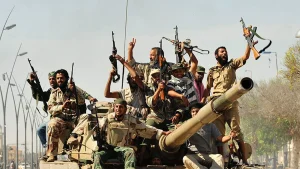
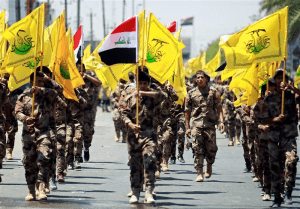
Nigeria blames jihadists for kidnappings but experts disagree
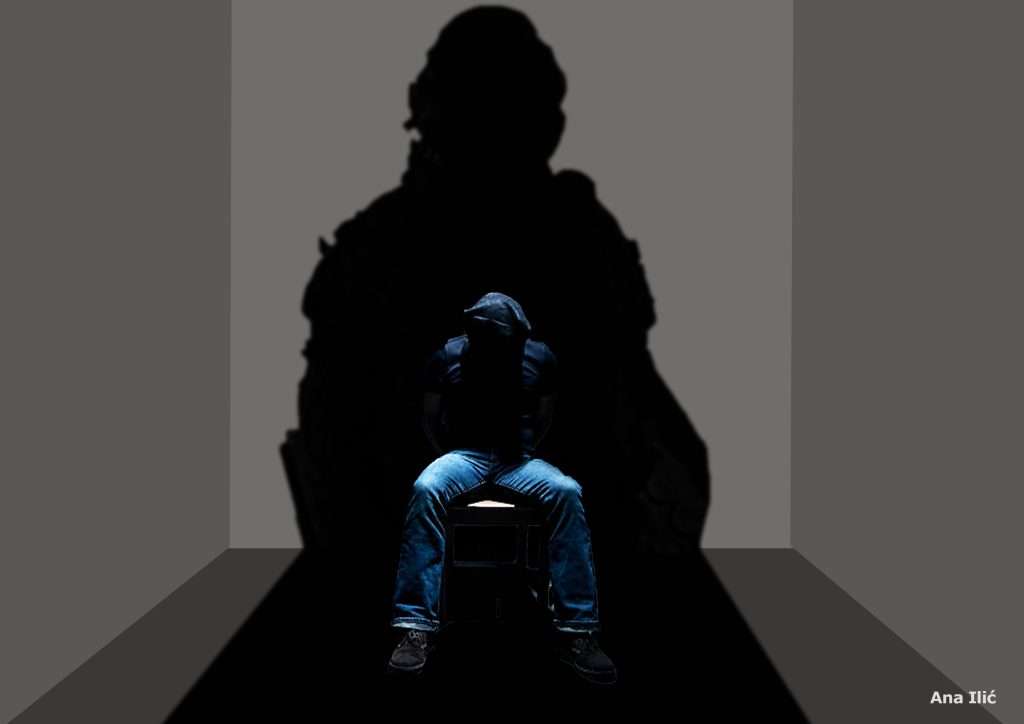

The Nigerian government claims that jihadist groups, Boko Haram and Iswap (Islamic State in Western Provence), are behind the recent spate of abductions in north-west and central Nigeria, but this is disputed by analysts who believe they are the work of criminal gangs, according to a report from The BBC on 29th November.
This marks the first accusation the government has made in relation to the abductions. They are yet to provide any evidence.
Abductions and kidnappings are an endemic issue in Nigeria, with three major incidences in the northwest and central regions last month.

These included attacks in Maga, Kebbi State( 25 abducted, two killed) and Eruku, Kwara State. (38 abducted, two killed). Victims of the two attacks have since been freed. More recently, a reported 250 children and 12 members of staff went missing from Papiri, Niger State. Their whereabouts are still unknown.
Speaking to the BBC, presidential spokesperson Sunday Dare accused jihadist groups of the crimes: “Abundant data — both nationally and internationally — reveals clearly that Iswap are all over the place. Also, whatever is left of Boko Haram.”
Iswap is a splinter group of Boko Haram, the terrorist group who have been waging an insurgency war in north-eastern Nigeria for more than a decade. In 2014, Boko Haram kidnapped 276 girls from a school in Chibok for use as bargaining chips to release imprisoned members.
Analyst Bulama Bukarti informed the BBC that he disagreed with the Nigerian government’s claims. “I don’t think that’s accurate. There is no Iswap or Boko Haram cell resident in the north-west. The recent kidnappings were carried out by bandits.”
The bandits are often local armed criminals, usually on motorbikes, operating in the north-west. Whereas Boko Haram and Iswap are based in the north-east, hundreds of miles away.
The BBC asked Acled — an international monitoring group that analyses attacks by armed groups — to assess the three kidnappings. Acled said in all three cases Fulani militia groups, locally called “bandits”, were responsible for the kidnappings. However, it admitted that the attack in Papiri “appears to have been partly carried out to spite the government and achieve some political objectives.”
Similarly, the church attack in southern Kwara State appears “part of the Fulani expansionist drive, and as a way to displace the locals from the communities for illegal mining activities”. However It maintained that Boko Haram or Iswap had no involvement.
Shortly after these three events, 13 girls were abducted in north-eastern Borno State, analysts agree this was likely Boko Haram.
BBC, Maghrebi.org

Want to chase the pulse of North Africa?
Subscribe to receive our FREE weekly PDF magazine