Western Sahara: Burkina Faso and Niger back Morocco
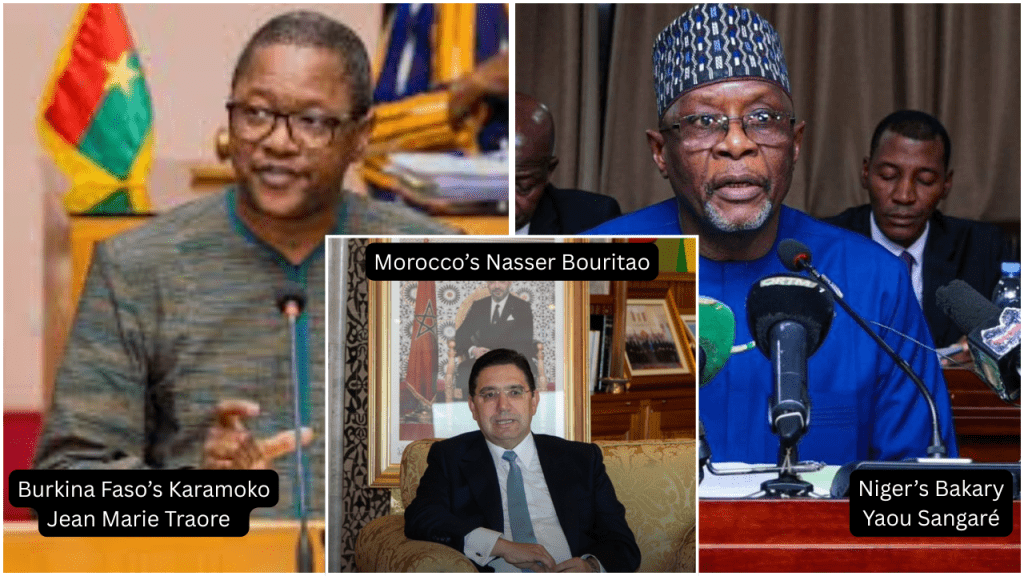

Morocco’s Autonomy Plan, also known as Resolution 2797, has received support from Burkina Faso and Niger, according to the Moroccan government-friendly North Africa Post and agencies on December 2nd.
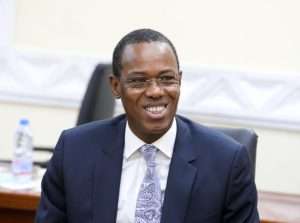
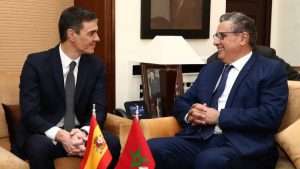
This supportive stance followed separate talks in Rabat with the Kingdom’s Foreign Minister Nasser Bourita, and his counterparts from Burkina Faso and Niger, Karamoko Jean Marie Traore and Bakary Yaou Sangaré, respectively.
Both ministers reportedly described the plan, which would grant the Western Sahara limited self-governance under Moroccan sovereignty, as a credible and realistic solution to the 50-year conflict between the Kingdom and Algeria.

On October 31st, the UN Security Council voted that Resolution 2797 was a “feasible” solution to the territorial dispute, with 130 nations supporting the plan.
Niger had previously confirmed its support for the plan following a meeting in Rabat on November 20th. Officials from Gambia and Malawi also endorsed the proposal after talks in Rabat on November 19th.
Ties between the Kingdom, Niger and Burkina Faso have been growing due to the Morocco-Nigeria gas pipeline initiative, which plans to supply landlocked countries with natural gas.
Similarly, an alliance between Morocco and Niger was formed in 2023 when Niger joined King Mohammed VI’s Atlantic initiative, which aims to provide landlocked nations with access to the Atlantic Ocean via Morocco.
These ties have developed despite the Sahel countries’ historical ties to Algeria, which opposes Moroccan sovereignty over the Western Sahara.
All three nations were formerly under French colonial rule, with Burkina Faso and Niger gaining independence in 1960, followed by Algeria in 1962.
The Western Sahara is the ancestral homeland of the Sahrawi people, which was under Spanish colonial rule until 1975; since then, the region has been embroiled in a territorial dispute between Morocco and the Polisario Front, which is backed by Algeria.
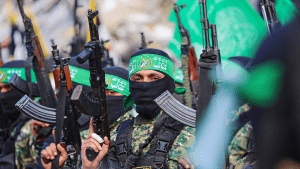
Since 1976, the Polisario Front has recognised the Sahrawi Arab Democratic Republic (SADR) and provided financial and military support to the separatist militia, which claims the fight for Sahrawi self-determination.
The group, which reportedly receives funding from Iran, has been engaged in an armed struggle against what it perceives as Morocco’s illegal military occupation of the Western Sahara.
The ongoing conflict has forced an estimated 165,000 Sahrawi refugees to flee the region and seek shelter in Algerian refugee camps, such as Tindouf. The Polisario Front reportedly controls the camps and has been accused of facilitating violence and tensions within the camps.
North Africa Post and agencies, Maghrebi.org

Want to chase the pulse of North Africa?
Subscribe to receive our FREE weekly PDF magazine