Morocco: 60% of water needs to be met by desalination
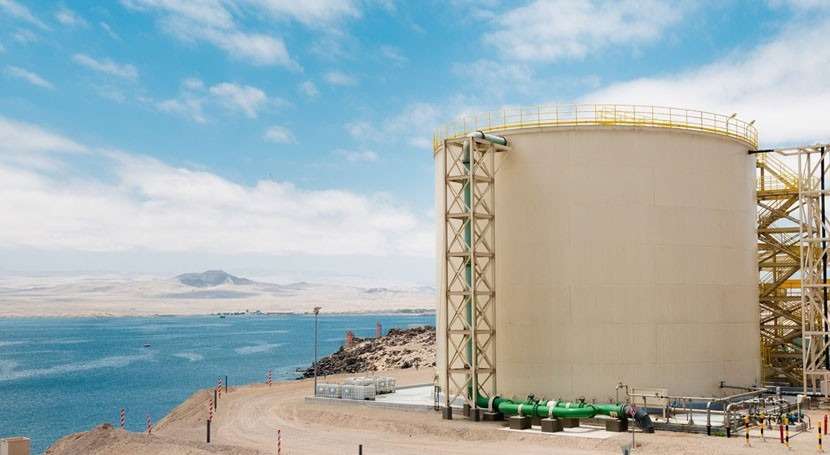
The Agadir Desalination Plant (via AMEA)

The Moroccan Water Minister said that 60% of Morocco’s drinking water needs will be met by the desalination of seawater by 2030, through increased investment in desalination plants, according to a report by Reuters on December 4th.
Morocco has been facing six years of drought, putting pressure on its water resources, affecting agricultural produce and cattle livestock numbers, and causing inflation. The drought has dried up underground resources and caused increased evaporation in dams, rivers, and lakes.
A steady water supply is crucial, as Morocco cements itself as a key exporter of agricultural products. Although desalinated water will not be used directly for water-intensive cereal crops because of cost and scale limits, officials have said it will allow more dam water to be redirected to farms.

The new announcement reveals an increased dependence on drinking water needs by desalination, up from 25% to 60% by the year 2030. Morocco currently operates 17 desalination plants, aiming to reach a capacity of 1.7 billion cubic metres per year by 2030.
In June this year, Water Minister Nizar Baraka said that four plants were under construction, and that nine more should be added to achieve this goal. “Studies are underway as part of preparations for the plant’s tender, to be announced by mid next year,” the Water Minister said.
He also revealed that the largest desalination plant will be built near Tiznit, 615 km (382 miles) south of Rabat, with an anticipated investment of about 10 billion dirhams ($1 billion). It is said to serve the urban areas in the country’s main farming zone and also irrigate surrounding farmlands, with a capacity of 350 million cubic metres.
Baraka said that evaporation will be countered by installing floating solar panels on the dam near Tangier. Evaporation causes about 30% of the loss of surface water in Morocco.
The Water Minister had said, “all new desalination plants will be powered by renewable energy.” Besides this, Morocco has invested in a major water-diversion scheme that channels surplus water from the Sebou River in northern Morocco down to supply the big cities of Rabat and Casablanca. This will be expanded by 2030 to feed dams in drought-stricken farming areas like Doukala and Tadla.
However, while desalination and expanded water infrastructure may help secure water for cities and large-scale farms, the reality remains harsh for smallholders. Reportedly, individual farmers like olive growers who have suffered through years of drought, often losing their groves and livelihoods, lack the resources to benefit from costly water solutions.
Reuters, Maghrebi.org

Want to chase the pulse of North Africa?
Subscribe to receive our FREE weekly PDF magazine