UN condemns crackdown ahead of Ugandan elections

The UN has condemned the intensifying crackdown on opposition and the media ahead of the January 2026 Ugandan elections, according to Africanews via AP on December 4th.
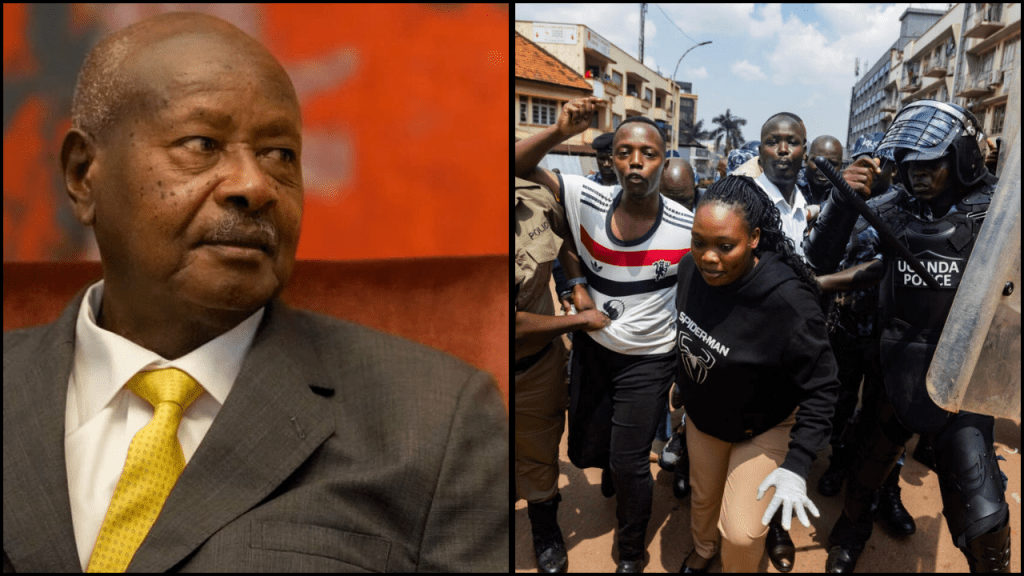
In a statement, Ravina Shamdasan, spokesperson for the UN High Commissioner for Human Rights (OHCHR), said, “We deplore the intensifying crackdown on the opposition and media in Uganda ahead of next month’s general election.”
She added, “It is deeply regrettable that election campaigns have once again been marked by widespread arbitrary arrests, detentions, and the use of unnecessary or disproportionate force against the opposition, as well as undue restriction of press freedom.”

According to the OHCHR, reports suggest that at least 550 people have been arrested and detained since early 2025, including members and supporters of the main opposition party, National Unity Platform (NUP).
On September 23rd, President Yoweri Museveni, of the ruling National Resistance Movement, confirmed his intention to run for re-election in January. The 81-year-old has held office since 1986 but was not officially elected until 1996.
The constitutional age limit on the presidency was removed in 2017, allowing Museveni to hold office as long as he wants. However, elections in Uganda have been marred by allegations of rigging and interference, particularly by the military, which is led by Museveni’s son.
In November, Ugandan police reportedly blocked NUP staff from accessing a campaign venue in Arua, where supporters had gathered to welcome the party’s presidential candidate, Robert Kyagulanyi Ssentamu, better known as Bobi Wine.
Similarly, it was reported on January 14th that opposition leader Kizza Besigye was being tried for treason, where he faced the death penalty if convicted.
Museveni’s administration has faced opposition from the Islamic State-affiliated Allied Democratic Forces (ADF), which was originally formed in the 1990s by Ugandan rebels who opposed Museveni.
The ADF militants have been linked to attacks in the Democratic Republic of Congo (DRC), with Uganda deploying troops into the Ituru province in July, allegedly to fight the group.
However, the UN disputed this claim, not least due to Uganda’s history of cross-border interference; troop deployment was attributed to Uganda’s efforts to secure its economic interests, as the DRC’s mineral-rich eastern provinces hold vast amounts of gold and coltan.
Uganda has also faced accusations of supporting the M23 militia, which smuggles mined materials into neighbouring Rwanda, where they are sold to the global supply chain.
Africanews via AP, Maghrebi.org

Want to chase the pulse of North Africa?
Subscribe to receive our FREE weekly PDF magazine