Green tech boom fuels damage in Chile’s lithium belt
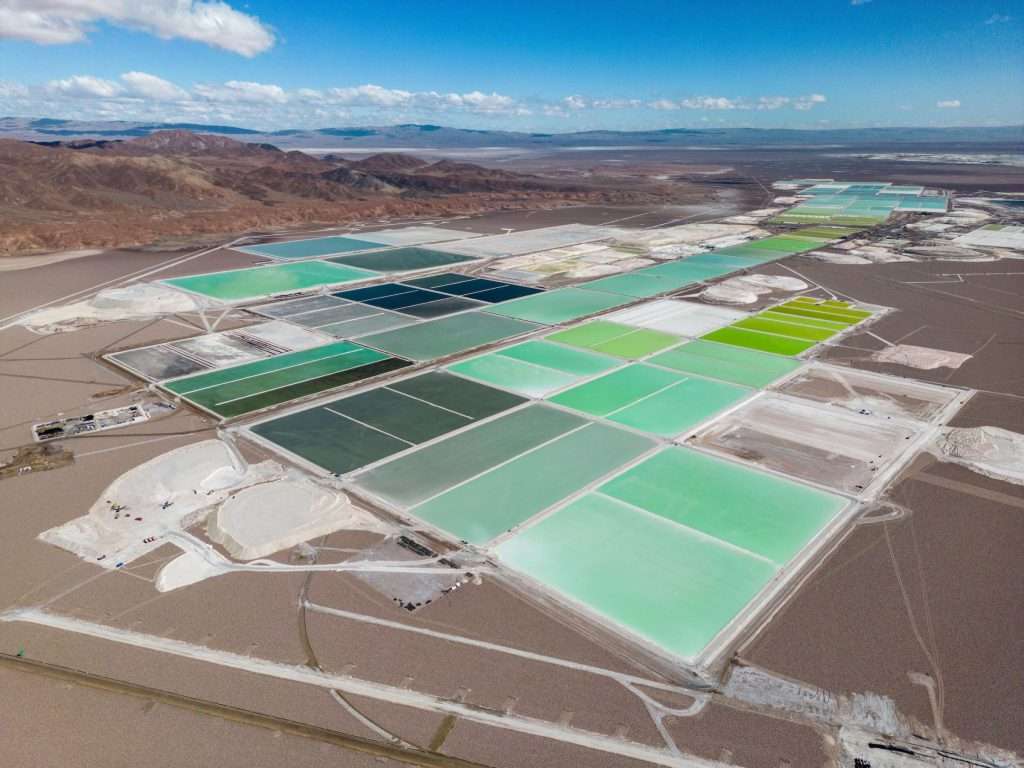
2R88Y16 Lithium fields in the Atacama desert in Chile, South America - a surreal landscape where batteries are born

Rising demand for lithium to power green technology is drying wetlands and threatening wildlife in Chile’s Atacama Desert, reported BBC on 23 October.
A new environmental crisis in Chile’s Atacama Desert is unfolding, where the extraction of lithium, an essential metal for batteries, is drying wetlands and straining local ecosystems.
Beneath the salt flats of the Atacama lie some of the world’s richest lithium reserves. As countries and companies push to decarbonise energy systems and power electric cars, demand for lithium has soared. Consumption around the world has more than doubled from about 95,000 tonnes in 2021 to 205,000 tonnes by 2024, and is forecast to exceed 900,000 tonnes by 2040, with most of the growth driven by electric vehicle batteries, the International Energy Agency says.

But locals say the boom has come at a cost. Raquel Celina Rodriguez, whose family raised sheep in the region for generations, said the landscape has changed dramatically. “Before, the Vega was all green,” she said. “You couldn’t see the animals through the grass. Now everything is dry.”
Lithium mining in the Salar de Atacama depends on pumping brine from beneath the desert into large evaporation ponds. This process consumes vast quantities of water in an already drought-prone region. Faviola González, a biologist from the local indigenous community working in the Los Flamencos National Reserve, said that “the lagoons here are smaller now. We’ve seen a decrease in the reproduction of flamingos.” She added that mining affects microorganisms that birds feed on, disrupting the local food chain.
Mining companies and the Chilean government argue that production must expand to help the global energy transition and bring economic benefits. Valentín Barrera, Deputy Manager of Sustainability at SQM Lithium, said the company is trialling new technologies to reduce water use, including systems that capture and evaporate water, and has already recovered more than a million cubic metres of water at one site.
Sara Plaza, another community member, recalled water levels falling long before lithium extraction ramped up. “The salt flats produce lithium, but one day it will end. Mining will end and what are the people here going to do? Without water, without agriculture. What are they going to live on?” she said. “Maybe I won’t see it because of my age, but our children, our grandchildren will.”
The story of the Atacama highlights a global dilemma as efforts to tackle climate change through green technology can inadvertently create new environmental pressures, particularly in regions where extraction of key materials is intense and water is scarce.
BBC News, Maghrebi.org

Want to chase the pulse of North Africa?
Subscribe to receive our FREE weekly PDF magazine