Ukraine: Chornobyl radiation shelter compromised after drone strike
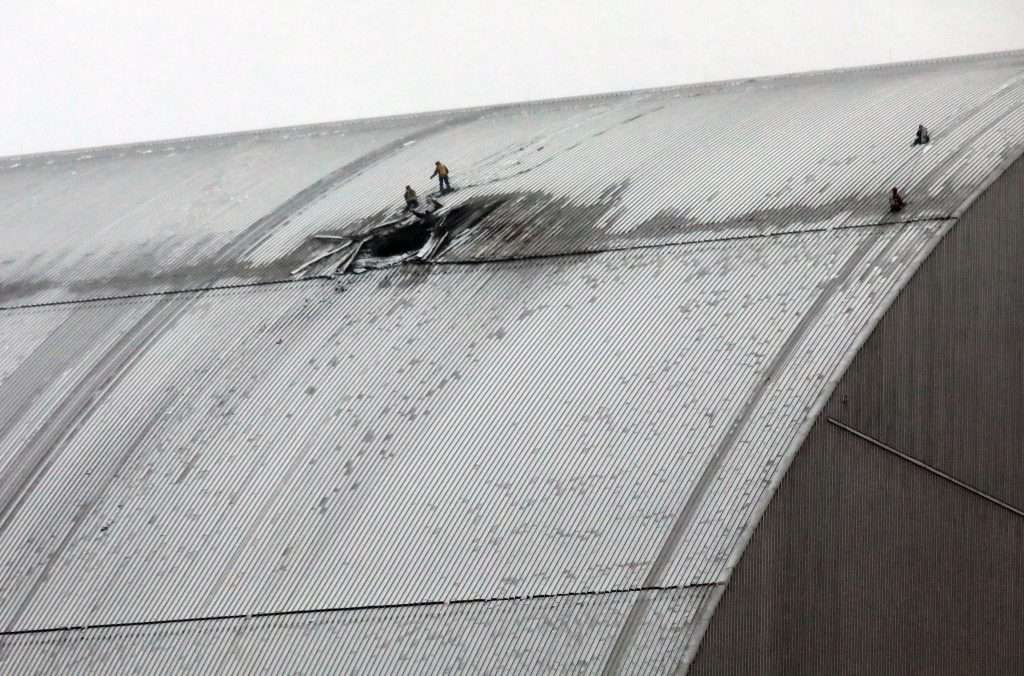

The UN’s nuclear watchdog says damage from a drone strike has left the Chornobyl shelter unable to fully contain radiation, raising concerns over long-term nuclear safety, reported The Guardian on 6 December.
The protective shelter built over the destroyed Chornobyl nuclear reactor in Ukraine can no longer fulfil its primary safety role of blocking radiation, the United Nations’ International Atomic Energy Agency (IAEA) has confirmed. The assessment follows a detailed inspection of the site in early December.
The structure, known as the New Safe Confinement (NSC), was completed in 2019 at a cost of €1.5 billion ($1.75 billion) by a Europe-led project to contain radioactive material from the 1986 Chornobyl disaster and enable the eventual dismantling of the decaying concrete sarcophagus beneath it.

In February 2025 a drone strike, which Ukrainian authorities blamed on Russia and Moscow denied, hit the steel arch shelter. The strike created a hole in the shelter and caused a fire in its outer cladding. Although initial reports at the time said radiation levels remained stable and within normal limits, the IAEA’s inspection found the structure’s ability to confine radiation had been compromised.
IAEA Director General Rafael Grossi said the inspection mission “confirmed that the [protective structure] had lost its primary safety functions, including the confinement capability, but also found that there was no permanent damage to its load-bearing structures or monitoring systems.”
Grossi added that while some temporary repairs have been made, “comprehensive restoration remains essential to prevent further degradation and ensure long-term nuclear safety.” The agency has recommended additional work to protect the shelter, including measures to control humidity, updated corrosion monitoring, and upgrades to the integrated automatic monitoring system.
The NSC was designed to have a 100-year lifespan to allow for the safe removal of radioactive materials and dismantling of the old sarcophagus. Without full restoration, its long-term effectiveness and the safety of future decommissioning operations are in doubt.
In response to the recent assessments, the European Bank for Reconstruction and Development (EBRD) has been working with international partners to secure funding for repairs. France has pledged €10 million to the EBRD-managed International Chernobyl Cooperation Account to support restoration efforts, particularly repairing the external cladding to prevent water ingress.
The Chornobyl site remains a symbol of the world’s worst nuclear accident and a sensitive part of Ukraine’s nuclear safety infrastructure. The IAEA’s warning highlights the ongoing risks posed not just by the legacy of the 1986 disaster but by the conflict in the region that continues more than three years after Russia’s full-scale invasion of Ukraine in February 2022.
Ukraine initially occupied the plant and surrounding area early in the invasion, and control of the exclusion zone has shifted during the conflict. The IAEA inspection was carried out alongside a broader country-wide survey of damage to critical infrastructure.
Despite the damage to the shelter, so far there have been no reports of a new release of radiation into the environment, according to UN statements from earlier in the year.
The Guardian, Maghrebi.org, EBRD

Want to chase the pulse of North Africa?
Subscribe to receive our FREE weekly PDF magazine