Libya’s eastern government rejects Turkey maritime deal
Libya’s eastern-based parliament has formally rejected a long-disputed maritime agreement with Turkey, as reported by the Libya Observer via the Libyan News Agency (LANA) on December 15. The public rejection highlights the deep political divide between rival authorities in Libya and reopens the prospect of new maritime negotiations in the Eastern Mediterranean.
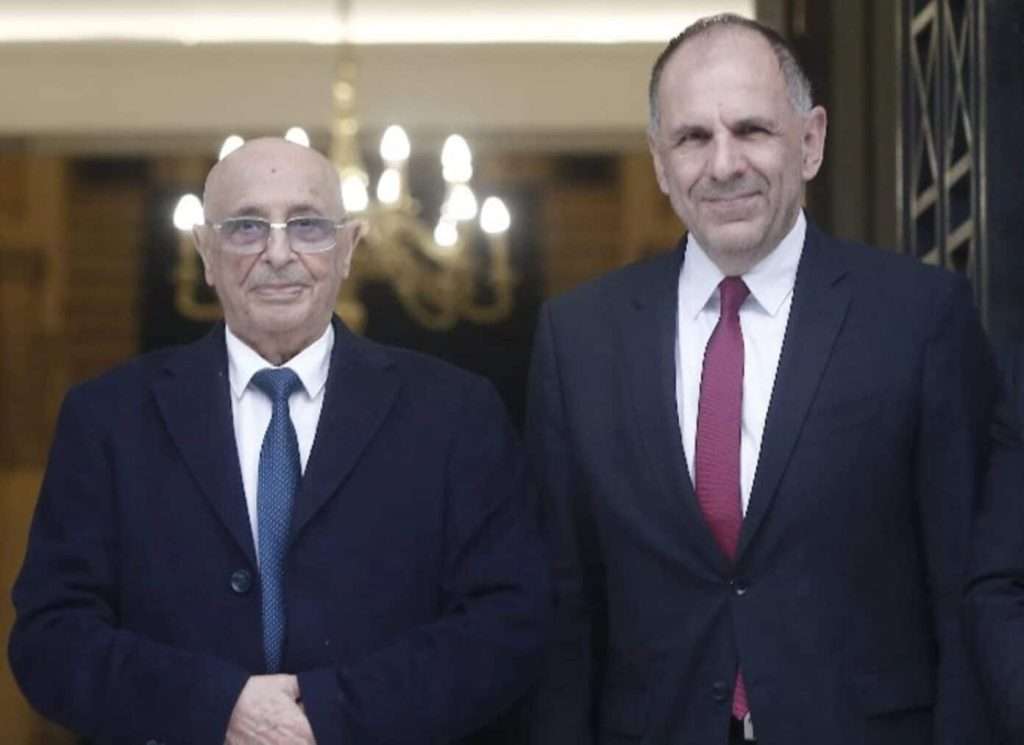
Akila Saleh, Speaker of the House of Representatives based in Benghazi, said the 2019 maritime Memorandum of Understanding signed between Turkey and Libya is legally invalid and non-binding for the Libyan state.
Saleh emphasised that the agreement was concluded by the former Government of National Accord led by Fayez al-Sarraj, an administration aligned with western Libya and supported by Turkey.

He stressed that the deal was never submitted to or approved by the House of Representatives of Libya’s eastern government, which he said is the only body authorised to ratify international agreements. As a result, he argued, the memorandum lacks any legal standing. “What is built on illegality remains illegal, regardless of how much time passes,” Saleh said.
The statement, delivered in an interview with the Libyan News Agency, marked Saleh’s first public declaration on the agreement since it was signed and followed his recent visit to Athens.
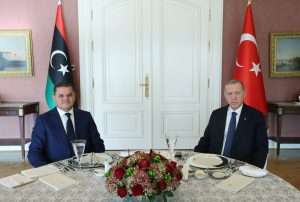
A parliamentary session in the House of Representatives had previously discussed the contentious 2019 maritime boundary agreement with Turkey, to potentially bring it before parliament for review after meetings with President Erdoğan.
The speaker noted that his position was taken in coordination with Field Marshal Khalifa Haftar and significantly reduces the likelihood that the eastern-based parliament will ratify the agreement. His declaration also challenges Ankara’s reliance on arrangements reached with Western Libyan authorities, highlighting the institutional split that continues to shape Libya’s foreign policy posture.
Saleh’s comments came amid increased diplomatic activity, including meetings in Athens with Greek Foreign Minister George Gerapetritis and discussions in Cairo between Haftar and Egyptian President Abdel Fattah el-Sisi focused on maritime boundaries. He said the rejection of the Turkey-Libya memorandum opens the door to negotiations with Greece, Egypt, and Turkey on redefining maritime zones.
Eastern Libya’s authorities hosted a Turkish delegation at Benghazi port in August 2025, where military officials discussed expanding cooperation on naval and military matters with senior figures of the Libyan National Army, including General Saddam Khalifa Haftar.
The visit, welcomed warmly by eastern leadership, is part of Ankara’s effort to strengthen ties with Libya’s eastern administration while maintaining its existing relationship with the UN-recognized Government of National Unity in Tripoli. The visit was widely seen as a sign of Turkey’s willingness to engage with multiple Libyan actors as Ankara seeks to navigate the shifting mosaic of power and politics in Libya.
The Libya Observer via LANA, Maghrebi.org
Want to chase the pulse of North Africa?
Subscribe to receive our FREE weekly PDF magazine