South Sudan continues battling rising River Nile floods
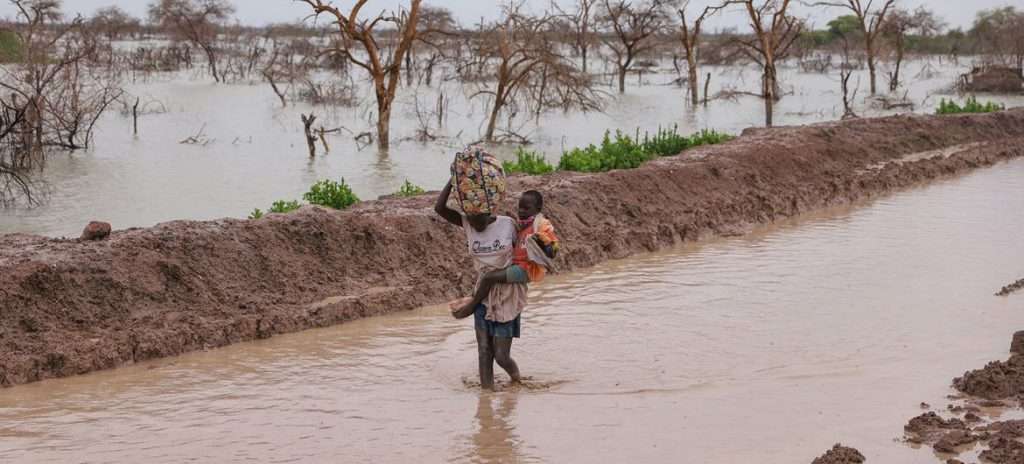
In Akuak, South Sudan, families rely largely on fishing and daily maintenance of elevated land platforms to sustain their livelihoods. The area, known as Toich in the Dinka language, is characterised primarily by water, grass, and papyrus, according to Africa News plus agencies on December 15.
The Norwegian foreign policy institute stated, “South Sudan is a hotspot of flood risk. Its population is very exposed to seasonal riverine floods, which have become increasingly severe.”
The researchers continued to explain, “whereas flood waters have historically receded during the November to January dry season, years of consecutive and record-breaking flooding have permanently changed the landscape.”

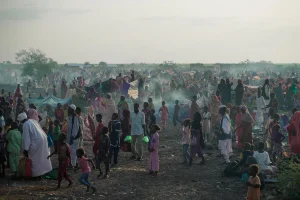
In 2024, South Sudan faced serious flooding that affected 1.4 million people and displaced around 379,000. At the same time, the United Nations alerted the international community to rising malaria rates in flood-affected areas.
According to the United Nations Office for the Coordination of Humanitarian Affairs (UNOCHA), in 2025 alone, over 375,000 people were displaced by flooding in the East African nation. The country is ranked as the seventh most vulnerable globally to climate change.
The region is now experiencing its sixth consecutive year of flooding, with repeated destruction of homes, farmland, and infrastructure.
Despite the struggles Akuak has faced over the years, estimates place the number of Akuak people remaining on the island at around 2,000.
Ayen Deng Duot, a mother of six, is one of many whose homes are falling apart. She and her whole family are trying to expand the spongy plant and clay platform that their home currently rests on.
She explained that, “we are doing this every year, because we are staying in a lowland. So whenever the water rises with the flooding from the Nile or from rainwater, we have to do this to protect ourselves, so that we are not chased away by water.”
Fishing was once a central part of the community’s livelihood, providing a key source of food for households. Persistent flooding has disrupted fishing activity and reduced access to resources, although residents continue to work collectively to maintain what remains of the settlement.
Want to chase the pulse of North Africa?
Subscribe to receive our FREE weekly PDF magazine