Algeria: water scarcity expert raises alarm
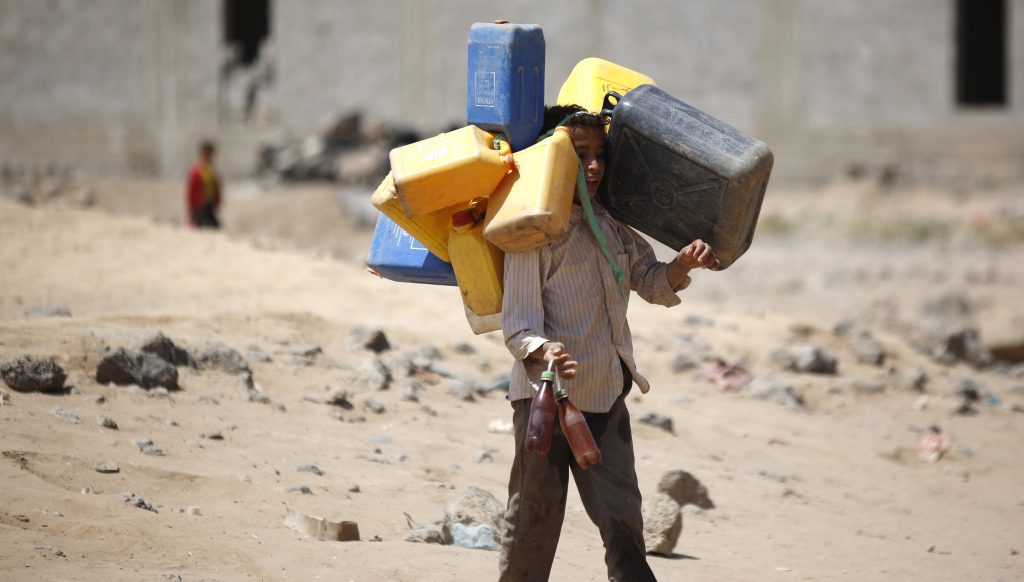
A conference emphasized the issue of water shortage in Algeria, noting that it is now largely under the "absolute scarcity" threshold.
A conference on energy emphasized the issue of water shortage in Algeria, noting that the country is now largely under the “absolute scarcity” threshold set by the UN, according to an article by state-friendly TSA-Algerie on 17th December.
Algerians only have access to 287 square meters (sq. m.) of water per person and per year according to latest data, whereas the UN recommends a 1,000 sq. m. security threshold.
The reasons for the scarcity are many: Algeria’s dry and arid climate, worsened by climate change, a growing population, and the over-exploitation of groundwater. Drought and rising temperatures have severely impacted the region, which is warming at an average of 0.4 degrees Celsius per decade, faster than the rest of the continent.

A recent report from the International Energy Agency (IEA) also noted that critical infrastructure had been damaged by extreme weather events in recent years, such as flash floods and wildfires, and that future heatwaves and fires could also threaten Algeria’s electricity networks.
Hydraulics expert Mustapha Kamal Mihoubi painted a very concerning picture, noting that one third of water resources come from non-renewable groundwater. Former Minister of Energy Abdelmajid Attar added that Algeria relies on non-conventional water sources (which include desalinated sea water and treated wastewater) for 48% of its supply, but a majority of this is non-renewable water from the Sahara desert, accounting for about 3.8 billion sq. m.
With the growing needs of the population and industry, Mihoubi emphasized the necessity to protect the Sahara’s fossil groundwater and to invest in desalination stations and wastewater treatment plants. He also suggested modernizing the agriculture sector to use water resources more efficiently.
Water has been the subject of tensions in recent years, putting pressure on Abdelmajid Tebboune’s government. There were protests in June 2024 against water cuts during the Eid al-Adha holidays, leaving many households without drinking water. His government then took steps to address corruption and mismanagement in the water sector, dismissing several officials. Nevertheless, the gravity of Algeria’s current situation and the threat of climate change make a reform of the whole energy sector an absolute priority.
TSA-Algerie, IEA, Maghrebi.org
Want to chase the pulse of North Africa?
Subscribe to receive our FREE weekly PDF magazine