Campaigners to enhance access to education for African girls
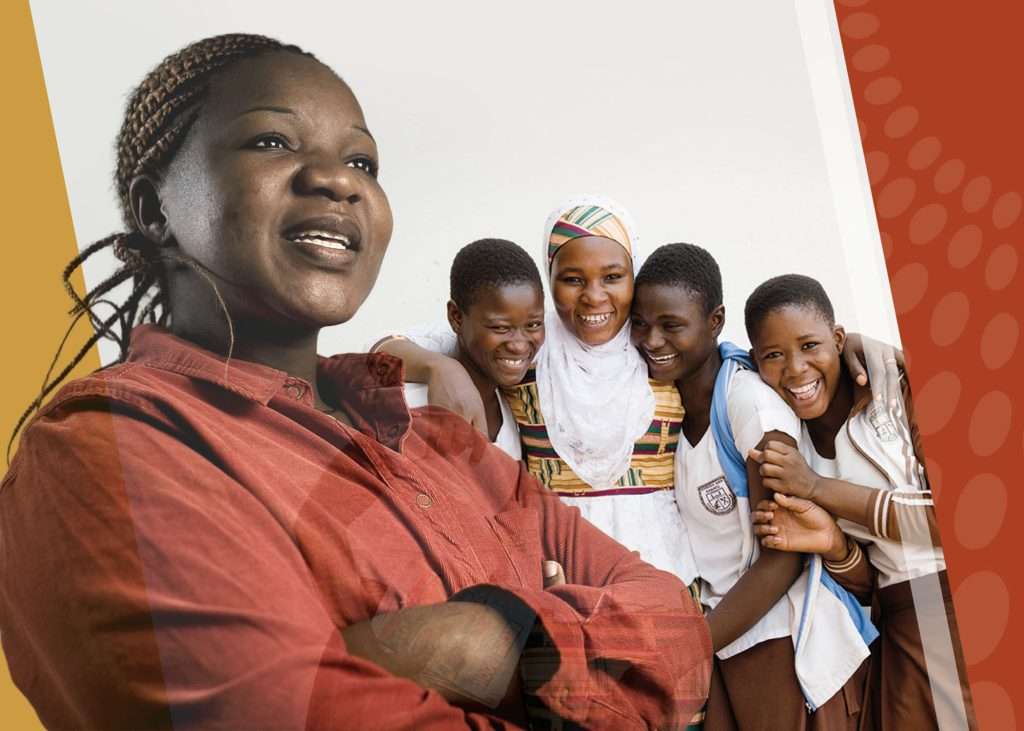
The Campaign for Female Education (CAMFED) is expanding its campaign to support girls and young women in some of the most disadvantaged rural communities in Africa, seeking to address the interconnected challenges of poverty and gender inequality that continue to limit access to education, according to France24 on December 17th.
The initiative forms part of a long-running effort to keep girls in school in regions where poverty, loss and economic insecurity routinely disrupt education. CAMFED was founded more than 30 years ago and operates across Zimbabwe, Zambia, Ghana, Tanzania, Malawi and Kenya, focusing on communities where girls are most at risk of dropping out.
The programme features a short film telling the story of Lydia, a CAMFED expert whose childhood experience reflects the fragility of education for many girls in rural Africa. In the film, Lydia recounts how her schooling was shaped by poverty and the death of her mother, underscoring the reality that globally around 129 million girls remain out of school.

Speaking on the programme, CAMFED chief executive Angeline Murimirwa says these stories are echoed across villages throughout the continent and remain central to the organisation’s work. She says CAMFED exists to reach girls who would otherwise be invisible to traditional systems of support.
Murimirwa says she was herself one of the first beneficiaries of CAMFED. As a child transitioning from primary to secondary school, she faced dropping out because her family could not afford school levies, uniforms or even basic food. Her situation changed when CAMFED entered her community and provided the resources that allowed her to continue her education without fear.
CAMFED says it has now supported more than eight million girls through secondary education and into pathways towards secure livelihoods. Much of this work takes place in remote rural areas where fewer than five percent of girls complete high school.
The organisation relies heavily on its alumni network of more than 350,000 young women living within the communities they serve. Murimirwa says this “sisterhood” works with families, teachers and traditional leaders to identify girls at risk, making education a community-led effort rather than an external intervention.
Murimirwa says educating girls has a transformative impact that breaks cycles of intergenerational poverty. She points to her own family history, where her mother and grandmother dropped out of school at a young age, and says education opens pathways for girls to become teachers, doctors, lawyers, entrepreneurs and community leaders, benefiting entire communities.
She says the main obstacle CAMFED faces is not cultural resistance but poverty itself. Families are often forced to choose between basic survival and school materials, including food versus exercise books or essential menstrual products. Murimirwa says CAMFED has not encountered communities opposing education on cultural grounds when resources are available, describing the challenge as a “culture of poverty rather than a poverty of culture”.
Funding remains the organisation’s biggest limitation. Murimirwa says it costs around $220 to support a child through a year of high school, a sum that exceeds the annual income of many families CAMFED works with, making sustained resources critical to the campaign’s success.
France24, Maghrebi.org
Want to chase the pulse of North Africa?
Subscribe to receive our FREE weekly PDF magazine