Morocco emerges as Spain’s main produce supplier
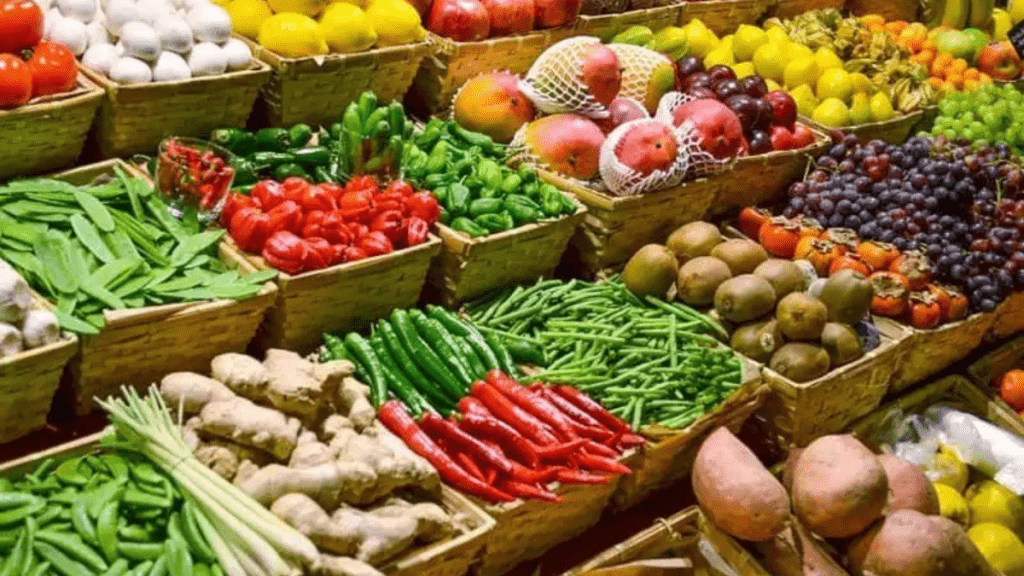
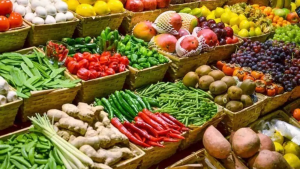
Morocco has established itself as Spain’s main supplier of fruits and vegetables after Spanish imports from the country increased sharply in the first eight months of 2025, according to an APA News report, published on December 17th.
Details from the Spanish Department of Customs and Special Taxes, shared by the Spanish Federation of Producers and Exporters (FEPEX), revealed that Spain imported 416,559 tonnes of Moroccan fruits and vegetables by the end of August 2025, marking a 34% increase compared with the same period last year.
In terms of financial value, Spanish imports of Moroccan produce reached €952.6 million, positioning Morocco at the top of Spain’s list of agricultural suppliers worldwide.

While import volumes have grown steadily in recent years, the value of these imports has increased much faster. Between 2021 and 2025, volumes increased by 8%, but the total value jumped by 58%, from €602 million to almost €1 billion.
This significant gap between volume and value signals a shift in the type of products Morocco is selling to Spain. According to the report, Moroccan exporters are supplying higher-value fruits and vegetables, rather than simply shipping larger quantities.
Moreover, Spanish consumers are increasingly buying Moroccan produce that is positioned as more competitive and, in some cases, more premium.
Interestingly, Morocco and Spain are strengthening their economic and political ties across trade, energy and regional diplomacy.
Morocco now accounts for 26% of the total value of Spain’s fruit and vegetable imports. Its dominance is more distinct when looking only at non-European Union suppliers. Morocco represents 38% of the total value of Spain’s produce imports from non-EU countries..
Overall, Spain imported €2.548 billion worth of fruits and vegetables from non-EU countries, with Morocco alone contributing close to €1 billion.
Additionally, Morocco exported a record-breaking 1,200 tonnes of lemons to the UK, worth over $1 million.
Morocco has been expanding its presence in the Spanish market due to several factors, such as heavy investments in modern farming methods and export-focused production.
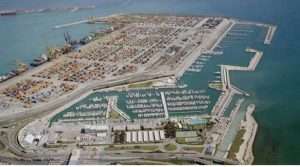
Its proximity to Europe allows faster transport, while improvements in logistics and port infrastructure have made deliveries more reliable. Moreover, Trade agreements between Morocco and the EU have helped include Moroccan farmers in European supply chains.
The rise in Moroccan imports has sparked debate within Spain, particularly among domestic producers, as they are concerned about competition. However, data has revealed that the trend is driven mainly by demand, reliability and pricing rather than short-term market shifts.
APA News, Maghrebi.org
Want to chase the pulse of North Africa?
Subscribe to receive our FREE weekly PDF magazine