Rising food and medicine prices in Libya erode purchasing power
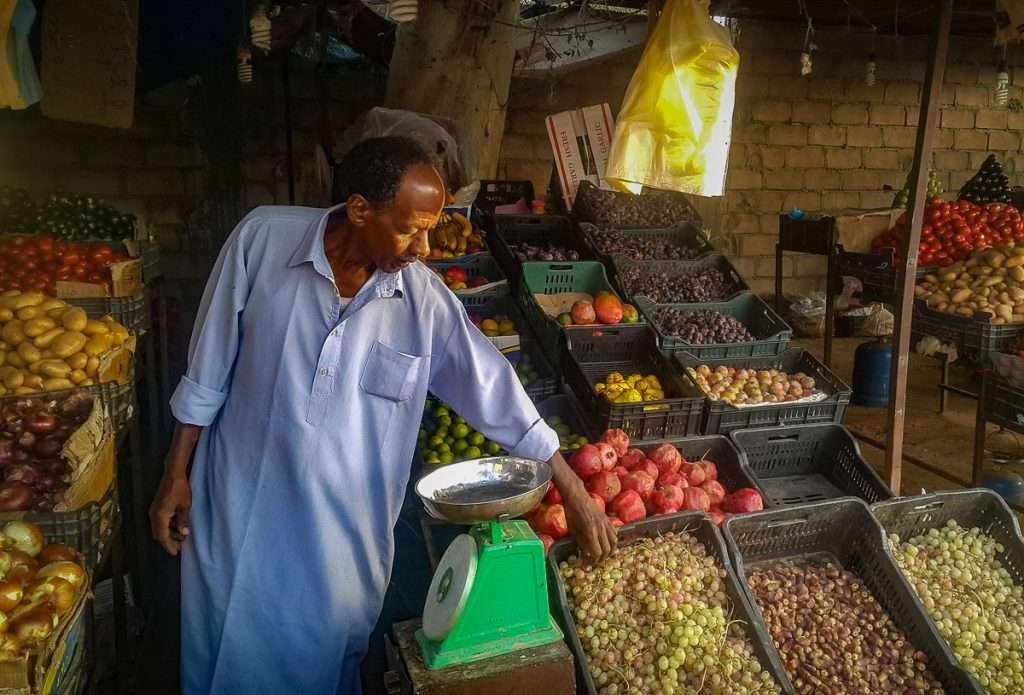
Rising prices in Libya are rapidly eroding household purchasing power, with the price of food and pharmaceuticals increasing up to 25%, according to the Libya Review on December 17th.
The Libya Trade Network, which is linked to the western Government of National Unity, reported price increases between 5% and 25% for numerous basic products on the market. Cooking oils increased by 7%, tomato paste by 6%, and sugar prices rose by between 5% and 12%.
Citizens and economists who spoke to Al-Wasat newspaper say the high inflation rates are indicative of serious structural weaknesses in the Libyan economy. Many ordinary families are now struggling to budget due to rapidly increasing prices.

Souad Rashed, a widow supporting her family, stated that the price for a litre of milk jumped from six dinars to 7.5 dinars within the space of a single week, with a single can of tuna rising from 6.5 to 8.5 dinars in the same period of time. She also highlighted that bread has become lighter in weight, indicating a decline in quality alongside inflating prices.
Medicine prices have also seen a significant surge. Tripoli-based pharmacy owner Hassnaa Al-Rajbani stated that she observed sudden and sharp price increases across several drug categories. This can plunge patients with chronic illnesses who rely on daily medication into financial instability.
Ali Al-Zatrini, a government employee, confirmed that these economic challenges have rendered daily life as increasingly unpredictable for Libyan citizens. He stated that “prices are rising every day, making it almost impossible to plan household spending.”
He added that inflation is rising across most staple goods. According to the latest data from Trading Economics, Libya’s national inflation rate rose from 2.1% in September to 2.3% in October, with food inflation rising from 3.3% to 3.6% in the same timeframe.
Economists have stated that the rising prices are directly correlated to a weakening dinar. Economic analyst Ali Al-Warfali explained that a widening gap between the official and parallel national exchange rates has now reached roughly 30%.
He warned that prices may rise by a similar margin, putting citizens at risk of a “double squeeze” from the pressures of a decline in purchasing power alongside less liquidity.
The US dollar has seen a surge in value on Libya’s illicit foreign exchange market, which reflects an actual rise in demand for hard currency. Traders reported on December 17th that the dollar rose to 8.54 dinars, compared to 8.34 just one day prior and 8.22 another two days before.
Traders warn that this rise on the parallel market risks increasing domestic prices in Libya, most notably for imported goods, fuel-related services, and basic commodities. This undermines currency stability and intensifies economic pressures.
These issues compound an already struggling labour market in Libya. The country suffers from the third highest unemployment rate in the Arab world at 18.6%, with only Jordan and Sudan worse off in 2025.
Another economic analyst, Adel Al-Maghrabi, cautioned that Libyans face a sustained deterioration in living conditions if drastic economic measures are not taken. Although the Ministry of Economy and Trade recently launched an initiative to combat prevalent youth unemployment in Libya, this only addresses one of many economic pressures.
Libya Review, Trading Economics, Maghrebi.org
Want to chase the pulse of North Africa?
Subscribe to receive our FREE weekly PDF magazine