Tourist kidnappings compound pressure on Malian government
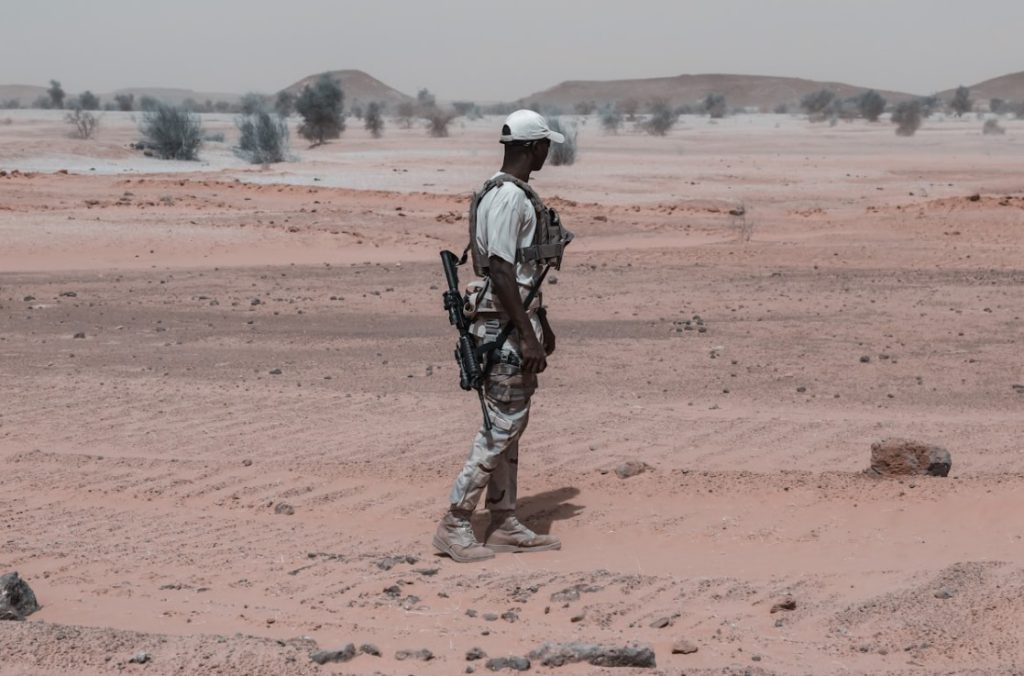
Kidnappings of wealthy tourists by the al-Qaeda-linked Jama’at Nasr al-Islam wal-Muslimin (JNIM), seem to have increased in southeast Mali in a fresh blow to President Assimi Goïta’s government, according to the Africa Defense Forum on December 16th.
The United Arab Emirates was recently forced to pay over $20 million to free 78-year old Sheikh Ahmed al-Maktoum, who was kidnapped from his farm just south of Bamako. The ransom also coincided with the release of several imprisoned Islamist extremists held in Mali.
Since the beginning of the Islamist insurgency, kidnappings have proven an increasingly lucrative method of income for various extremist groups. In Mali this year there was a sharp increase in the number of hostage-taking, particularly between May and October. Between 22 to 26 foreign nationals, including those from China, Egypt, India, Iran, and the United Arab Emirates, have been among those targeted.

With areas in central and northern Mali still held by either Islamist or separatist forces, the increase in kidnappings poses yet another challenge for Mali’s struggling government.
Bamako has been blockaded by JNIM since October with the situation made worse by the cutting of fuel supplies. Goïta’s administration has also struggled to resolve decreasing food supplies, school and hospital shutdowns, and major losses suffered by the Malian military against its more mobile opponents. This inability to retain control over the rest of Mali has enabled JNIM fighters to freely engage in high-profit crimes. The income generated by the kidnapping of foreign nationals has enabled JNIM and other armed factions to purchase weapons, pay fighters, and fund operations. Adding further to Goita’s difficulties, JNIM has also launched frequent attacks on oil tankers travelling from Senegal and Cote d’Ivoire.
Assimi Goïta has endured difficulties in both re-establishing central authority and in cultivating his image as a legitimate leader. A pledge to a gradual democratisation of Mali never materialised, and allegations of authoritarian rule have plagued Goïta’s administration.
Mali’s civil war has witnessed a shift in Mali’s position in West African and international affairs. Notably Goïta withdrew Mali from the Economic Community of West African States (ECOWAS), distanced himself from France and nurtured closer ties with Russia.
Africa Defense Forum, The Week, The Conversation, BBC, Maghrebi.org
Want to chase the pulse of North Africa?
Subscribe to receive our FREE weekly PDF magazine