South Africa denies US claims over refugee centre raid
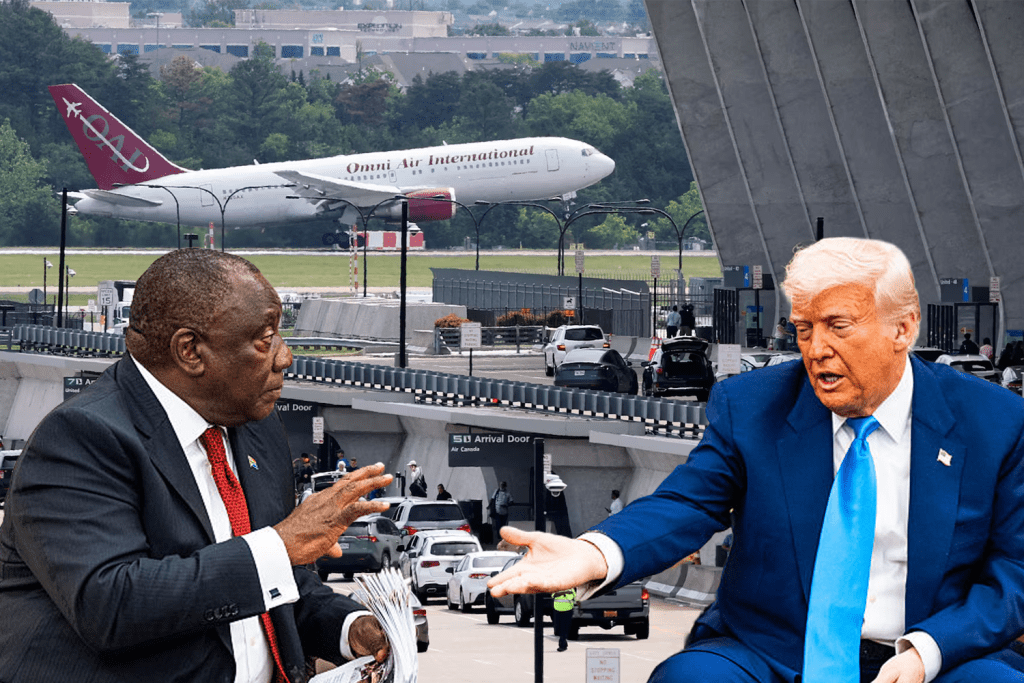
South Africa has rejected US accusations that its authorities harassed American officials during a raid on a refugee application centre for white South Africans, the BBC reported on December 19th.
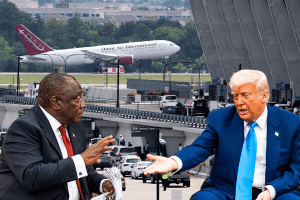
In a statement issued on December 18th, the US State Department condemned South Africa’s detention of US officials providing humanitarian support to Afrikaners, who are descendants of Dutch and French settlers.
South Africa has denied the claim, saying no US officials were arrested and the operation did not take place at a diplomatic site.

Following the raid on December 16th, the South African government expelled seven Kenyans for working illegally in the country. According to the Home Affairs Department, the Kenyans had applied for work permits, but their applications were denied.
South African authorities said they contacted the US and Kenya over concerns that US officials coordinated with undocumented workers.
The US has not addressed this directly, but said the refugee programme operated “within the confines of the law”.
It also accused South Africa of releasing the passport details of its officials, calling the move “unacceptable” and warning of “severe consequences”, but did not provide evidence to support the claim.
South Africa dismissed the allegations as “unsubstantiated”, saying it treats “matters of data security with the utmost seriousness and operates under stringent legal and diplomatic protocols”.
The US is offering asylum to Afrikaners, with President Donald Trump claiming white farmers face a “genocide” in South Africa, despite no supporting evidence.
On March 24th, South African President Cyril Ramaphosa rejected claims of persecution against white South Africans as a “completely false narrative” and urged the public not to allow “external events to divide us or pit us against each other”.
Although the US has reduced its annual refugee intake from 125,000 to 7,500, it has said it will prioritise Afrikaners. Earlier this year, President Trump offered them refugee status after President Ramaphosa signed a law allowing the government to seize land.
The law allows the South African government to seize privately owned land without compensating the owners in rare cases deemed to be in the public interest.
White farmers own most of the land in South Africa due to the legacy of the racist apartheid system. The government is under pressure to provide more land to black farmers.
However, the government has said no land has yet been seized under the new law.
On May 12th, an initial group of 59 white South Africans, who were granted refugee status, arrived in the US. President Ramaphosa has criticised the group, calling them “cowards” and saying they “do not fit the bill” for genuine refugee status.
South Africa has made repeated efforts to improve ties with the Trump administration, including a high-level delegation led by President Ramaphosa to the White House on May 21st.
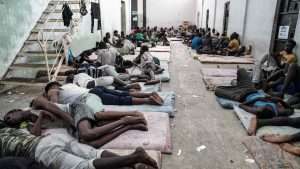
During the visit, President Trump confronted President Ramaphosa with footage he claimed showed persecution of white South African farmers. Some of the material was later shown to be inaccurate, including an image from the Democratic Republic of Congo.
South Africa, a founding member of the G20, did not attend the initial preparatory meetings for the 2026 G20 summit after President Trump withdrew the invitation over genocide claims and invited Poland in its place.
BBC, Maghrebi.org
Want to chase the pulse of North Africa?
Subscribe to receive our FREE weekly PDF magazine