Africa’s continental free trade plan faces tough reality check
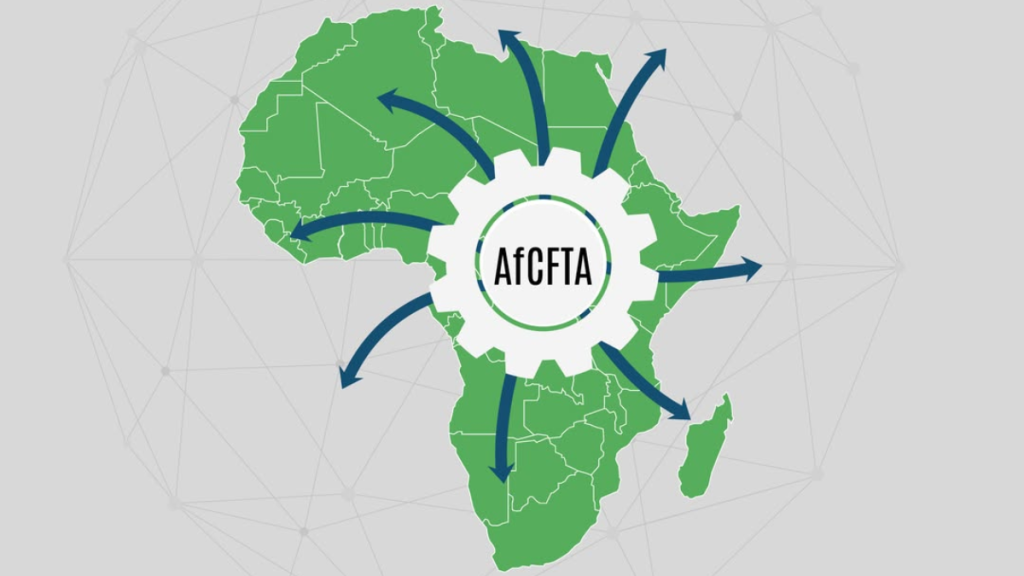
Africa’s free trade plan is anticipated to help businesses expand across borders, but weak policy action, trade barriers and travel limits are holding it back, according to a report published by African Business on December 12th.
The findings come from the latest Africa CEO Trade Survey by the Pan-African Private Sector Trade and Investment Committee (PAFTRAC), produced in partnership with African Business magazine.
The survey shows that awareness of the African Continental Free Trade Area (AfCFTA) is rising among African companies, which is expected to unlock a combined market worth about $3.5 trillion. However, concerns about how the agreement is being carried out in reality still exist.
Speaking at a panel discussion on December 10th, held after the release of the survey, PAFTRAC Chairman Pat Utomi said, “policymakers on the continent were entering into international trade agreements without input from their private sector, and so were not getting optimal outcomes from those trade agreements.” He said the annual Africa CEO Trade Survey, launched in 2021, was meant to understand the real concerns of the private sector.
Utomi said many businesses now see AfCFTA as a way to reduce Africa’s heavy dependence on foreign markets, especially during global shocks such as trade disputes and pandemics. Notably, Morocco backed the free trade area at the AfCFTA Business Forum held in Marrakech. He added that tools like the Pan-African Payment Settlement System could make cross-border trade easier.
The report also shows growing interest in sustainability and digital tools, partially driven by demands from European and other global partners. Utomi added that Africa’s share of global trade is currently below 3%, which is too low, but regional trade is expected to help change that. Currently, Senegal is leading Africa’s digital push to establish itself as a strong tech hub.
However, several speakers stressed that good ideas are not enough. Ade Adefeko, Vice President of Government Relations at Olam International, said governments must be more serious about implementation, “We must be strategic, intentional and deliberate,” he noted.
He highlighted examples of African countries that produce raw goods but still import finished products, while illegal trade fills gaps in local supply. He said, “Nigeria is the largest producer of cassava, yet we import it as a source of starch.”
Adefeko also said long-term investment remains weak, especially in agriculture, despite repeated promises by governments. He warned that short-term thinking and lack of cooperation between companies continue to slow progress.
Mustapha Njie, CEO of TAF Global Group, said political instability remains a major obstacle to expansion, and frequent changes in government policies make planning difficult.
Despite these challenges, speakers said African businesses, especially small and informal ones, continue to adapt and find opportunities. They agreed that AfCFTA can still succeed, but only if governments remove trade barriers, improve coordination and make it convenient for Africans to move and do business across the continent.
African Business, Maghrebi.org
Want to chase the pulse of North Africa?
Subscribe to receive our FREE weekly PDF magazine