Libyan official slams western Libya’s Government over corruption
A senior figure from Misrata has delivered a scathing critique of Libya’s Government of National Unity, accusing it of entrenched corruption and warning that economic mismanagement is driving large segments of the population into hardship, as reported by The Libya Review on December 19.
The comments underscore rising public anger over inequality, cash shortages, and deteriorating living conditions across the country.
Anwar Sawwan, a senior member of Misrata’s Council of Elders and Notables, said the administration led by Prime Minister Abdul Hamid Dbeibah has presided over what he described as the most corrupt period in Libya’s recent history. He argued that the government’s policies have fractured society, leaving ordinary Libyans struggling to meet their basic needs.

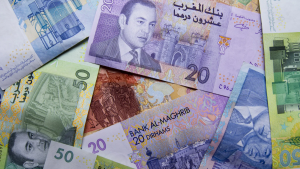
Sawwan pointed to the country’s ongoing liquidity crisis as a symbol of broader economic failure, saying citizens are forced to spend hours waiting at banks and ATMs in hopes of withdrawing as little as 1,000 dinars.
He claimed this daily struggle has effectively divided Libyans into rigid social classes, with wealth and opportunity reserved for a narrow political elite and those connected to power.
Despite figures that suggest the doubling of oil profits in Libya, about one-third of the country live in poverty, further validating Sawwan’s observations about the future of oil revenue in a corrupt and divided nation.
According to Sawwan, social inequality has reached unprecedented levels. He described a hierarchy beginning with a small, privileged group tied directly to political authority, followed by successive circles of influence, while the majority of citizens occupy the lowest tiers and absorb the impact of economic collapse.
At 18.6%, the nation has the third-highest unemployment rate in the Arab world, behind only Sudan and Jordan in 2025.
Sawwan explained that “these last categories are the hardworking citizens who leave their homes early each morning just to search for a daily income,” adding that a significant number of families can no longer afford to buy meat frequently, if at all.
He also drew attention to mounting pressure on public sector employees, citing delayed salaries and shrinking purchasing power. Sawwan said many workers have been forced to seek additional income, including using their private vehicles to make ends meet.
Only 14% of Libya’s labour force is employed in the private sector, according to data from the World Bank.
He attributed these conditions to systemic corruption, weak governance, and a lack of serious economic reform.
Libya continues to face recurring cash shortages despite its oil wealth, with bank queues a common sight in major cities. Sawwan’s remarks reflect growing frustration within social and civic circles. Across Libya’s political spectrum, demands are increasing for accountability, economic fairness, and a political transition that will restore public trust and stabilise living conditions.
Libya Observer, World Bank, Maghrebi.org
Want to chase the pulse of North Africa?
Subscribe to receive our FREE weekly PDF magazine