Chad’s five-year economic plan leans on Gulf investment

Chad has unveiled a five-year development plan aimed at reshaping its economy and attracting billions of dollars in foreign investment, with the Gulf region emerging as a key target, according to African Business on December 17th.
The five-year development plan, named Connection 2030, comes as Chad tries to move past a history of political instability, climate shocks and heavy dependence on oil revenues.
Chad aims to achieve an average economic growth of 8% a year between 2025 and 2030. Reportedly, this could help the country to reach a middle-income economic status. The plan includes goals such as expanding electricity access in cities to 90%, providing safe drinking water to 11 million more people, increasing life expectancy by at least eight years and raising mobile phone sales.
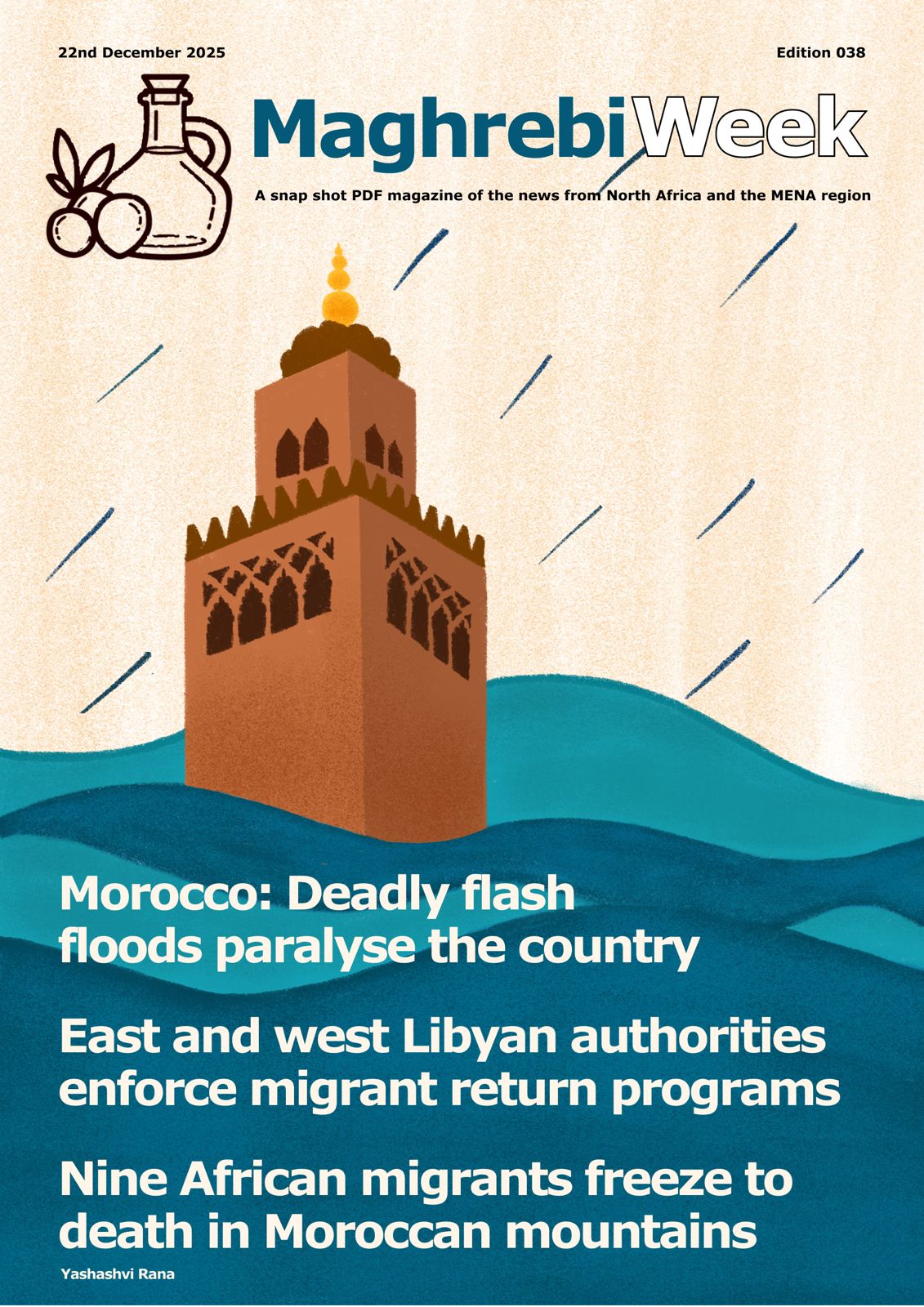
In 2022, the country was hit by severe floods that displaced around 1.3 million people, around 7% of the population. The disaster pushed food prices sharply higher, with prices increasing by a rate of 12.2% that year.
At the same time, strong oil earnings helped cover the economic blow. Oil accounts for about 15% of Chad’s gross domestic product and roughly 40% of government revenues.
Ultimately there was a fiscal surplus of 4.5% of GDP in 2022 and a reduction in public debt. The contrast highlighted the deep divide in Chad’s economy, where about 80% of people rely on subsistence farming, while the country holds large untapped natural resources.
Chad has an estimated 1.5 billion barrels of proven oil reserves and produces about 140.000 barrels per day. It also has deposits of gold, uranium and bauxite.
Infrastructure is a major challenge. As a landlocked country, Chad faces high transport costs for goods, which is also due to expensive fuel.
Chad is already receiving support from institutions such as the World Bank and the International Monetary Fund, which approved a $625 million credit facility in July. Foreign investment has also started to increase, with Foreign Direct Investment increasing by nearly 50% last year to just over $900 million.
Finance and budget Minister Tahir Hamid Nguilin said the strategy focuses on industrial development, especially in agriculture, mining and energy.
The Gulf has become a central focus; due to a trade and investment forum held in Abu Dhabi in November, Chad secured $20.5 billion in investment pledges.
Despite these ambitions, security risks, climate pressures and regional conflict remain to be major challenges as Chad tries to turn its plans into results.
African Business, Maghrebi.org
Want to chase the pulse of North Africa?
Subscribe to receive our FREE weekly PDF magazine