Sahel alliance to begin joint military operations

The leaders of Mali, Burkina Faso and Niger have said they are preparing to intensify military operations against extremist groups following the launch of a new joint fighting force, as reported by Africanews via AP on December 25th.
Burkina Faso’s leader, Captain Ibrahim Traoré, said the launch of the joint battalion “must be followed by large-scale operations in the coming days.” His remarks came after he was named head of the Alliance of Sahel States (AES), a bloc formed in 2023 by the three countries, who withdrew from West Africa’s main regional organisation.
The alliance brings together three nations that have borne the brunt of militant-based violence in the Sahel. The region has become the deadliest in the world for extremist attacks. Armed groups linked to al-Qaeda and the Islamic State group operate across the area, exploiting weak state control and borders. All three countries have experienced military coups in recent years, leaving security forces stretched thin.
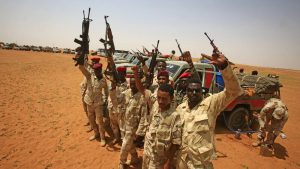
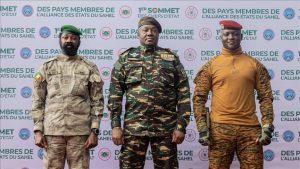
At a summit, the leaders agreed to deepen cooperation on both security and economic issues. The meeting followed the recent launch of a joint military battalion expected to include 5,000 personnel, created to carry out coordinated operations against armed groups across national boundaries.
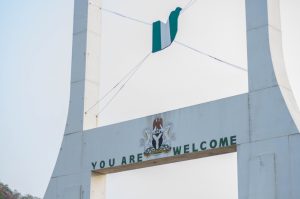
It was reported on December 25th by Reuters that the United States carried out a strike on Islamic State militants in northwest Nigeria, underscoring the international focus on combat across West Africa and the Sahel.
The US Africa Command said the operation killed multiple Islamic State militants. The operation reportedly followed increased US intelligence activity in Nigeria beginning in late November. President Donald Trump said he ordered the strike, as commander in chief, and cited concerns about violence against Christian communities.
While Nigeria has agreed to cooperate with the United States to strengthen its forces, Nigerian authorities have said armed extremist groups target both Muslims and Christians and argue that US statements oversimplify a complex security environment.
Niger’s junta leader, Abdourahamane Tchiani, said the AES had ended the presence of foreign “occupation forces,” referring to decisions by member states to expel long-standing partners France and the United States. He said the region would no longer allow outside powers or interest groups to dictate its future.
Despite cutting ties with Western military partners, Mali, Burkina Faso and Niger have increasingly turned to Russia for security support.
Analysts have said the challenges remain formidable. Rida Lyammouri, a Sahel specialist with the think tank, the Policy Center for the New South, described the region’s security crisis as extremely difficult to defeat, regardless of which international partners are involved.
Others point to the alliance’s growing political weight. Ulf Laessing of the Konrad Adenauer Foundation said the summit highlighted increasing cooperation among the three countries despite strained global relations and coup-related sanctions, adding that the alliance has gained domestic support and is seeking to maintain momentum beyond joint military action.
Africanews via AP, Reuters, Maghrebi.org
Want to chase the pulse of North Africa?
Subscribe to receive our FREE weekly PDF magazine