Morocco: Zamane festival celebrates Sahara music
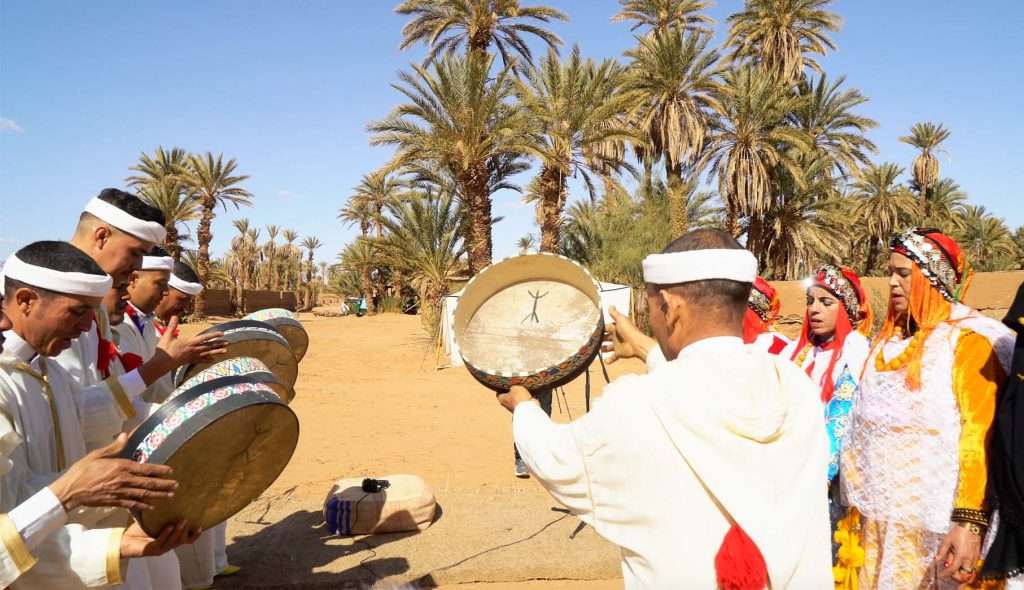

The yearly Zamane music festival has opened in the city of M’hamid El Ghizlane, in southern Morocco, on the edge of the Sahara desert, reports RFI on 14th November.
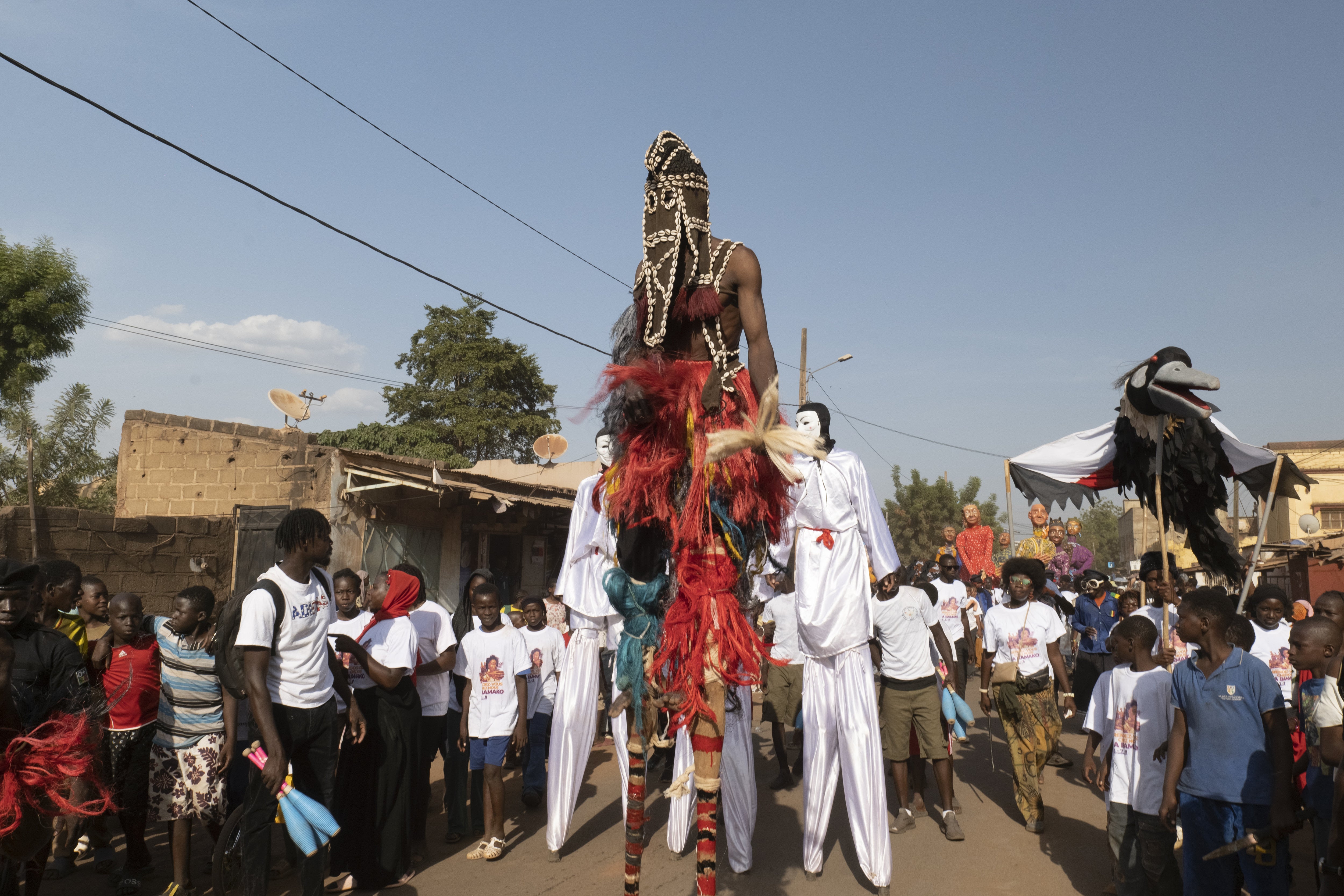
This festival, lasting for 3 days, celebrates South Moroccan and West African music and traditions, with different artists invited each year and several talks and events organised to discuss cultural preservation and environmental issues. The Draa Valley, where the festival is located, is one of Morocco’s most vulnerable regions to climate change because of its dry weather and water scarcity.

This year, several local and international musicians are performing: Moroccan Aziz Sahmaoui, who specialises in Gnawa music, Malian singer Vieux Farka Touré, Majid Bekkas, who plays traditional instruments such as oud and guembri, and Gospel singer Emmanuel Pi Djob from Cameroon. These performances aim to show the deep cultural and historical connections between Morocco and other countries across the Sahara Desert.
Gnawa culture is very present in Southern Morocco: influenced by Sub-Saharan African culture, it encompasses dances, music and spiritual rituals, in which participants enter a trance-like state. Many traditional songs refer to slavery and the oppression of Black people in North Africa, and Gnawa people are often considered to be descendants of former slaves who settled in Morocco.
Popularised by music bands such as Nass El Ghiwane, a very successful Moroccan group who incorporated Gnawa sounds and instruments in their songs, Gnawa culture is a thriving cultural movement in Morocco, with numerous dedicated festivals and events, and it is also well represented at the biggest festivals, such as Tangier’s Jazz festival.
The theme of this year’s festival is Ganga heritage, which refers to music created by enslaved communities: it acknowledges the lasting impact of the Trans-Saharan slave trade on local culture, as the region was on the path between Marrakesh and Timbuktu in Mali, both important economic hubs for centuries.
Halim Sbaï, the festival’s founder, reflects on this theme, noting that through singing, slaves transformed their social status; “they became lords instead of slaves”. By making this festival free and accessible to all, it is a heritage of liberation that is transmitted to local youth, celebrating traditions that have survived the ages.
RFI, Maghrebi
Want to chase the pulse of North Africa?
Subscribe to receive our FREE weekly PDF magazine