Iraq to remove Iran-backed groups from asset-freeze list
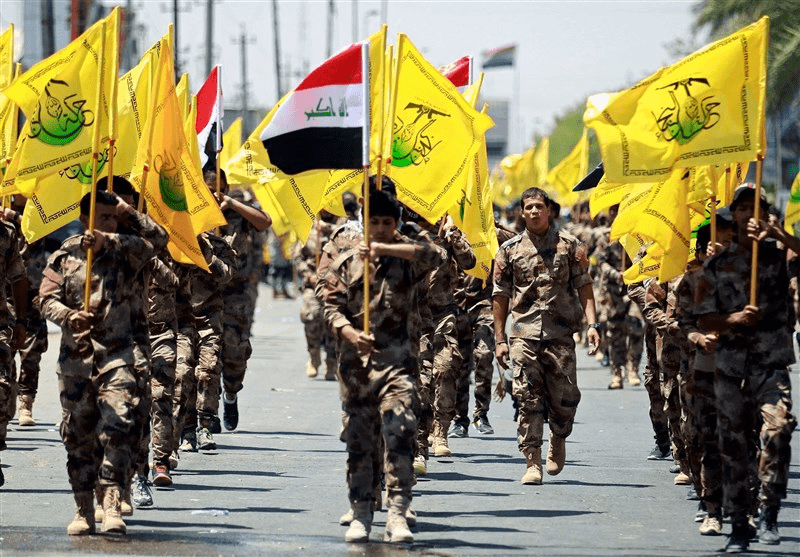

Iraq will remove the Iran-backed armed groups – Hezbollah and the Houthis – from an asset-freeze list, marking a significant step that could shift the region’s balance of power, as reported by Reuters on December 4th.
The financial freeze, published in Iraq’s official gazette, is an action that directly targeted organisations closely tied to Tehran.
The financial freeze would have been viewed favourably by the United States, which has long pressed Baghdad to curb Iran’s reach across the Middle East. The US and Israel have repeatedly accused Tehran of maintaining a network of allied militias that allows Iran to project military and political power in Iraq.

Iraq reducing the so-called “Axis of Resistance” access to funds would have aligned with longstanding US goals to isolate Iran geopolitically and militarily.
In August 2025 Iran and Iraq signed a border security agreement, as reported by The National. At the time in Iraq, tensions arose over a proposed law, which would formally recognise the Popular Mobilisation Forces, a coalition composed mostly of pro-Iran paramilitary groups.
In response to the tensions, US State Department spokeswoman Tammy Bruce said such legislation “would turn Iraq into an Iranian satellite state.”
Following the reaction from Washington, the Iraqi government suspended the vote on the legislation, that would formally recognise the PMF.
As a result of US pressure to dismantle and delegitimise factions linked to the PMF, Mohammed Shia al-Sudani, the prime minister of Iraq, has pledged to bring all weapons under governmental control.
Tehran depends heavily on its relationship with Iraq to help sustain its economy under international sanctions. Iraq, sharing deep political, religious and economic ties with its neighbour, has often served as a critical outlet for Iran during periods of economic and political hardship.
Baghdad finds itself in a complicated position. It maintains partnerships with both Washington and Tehran, each exerting its own pressures and expectations. The move signals that Iraq is attempting to navigate these competing demands in order to avoid becoming entangled in US efforts to isolate Iran.
Iran’s influence inside Iraq remains substantial. Tehran’s sway is rooted in a network of powerful Shi’ite militias as well as political parties that hold significant weight in Baghdad’s governance.
Yet the increased pressure from the US over the past year coincides with Iran’s weakened posture and ability to project power across the region, a result of Israeli and US strikes against Iran and its regional proxy forces.
The initial planned freeze rom Iraq appeared to have been a strategic move to distance itself from Tehran as the country seeks to shield itself from the potential fallout of a seemingly inevitable conflict between the US and Iran.
Reuters, The National, Maghrebi.org

Want to chase the pulse of North Africa?
Subscribe to receive our FREE weekly PDF magazine