Effects of climate change on the Arab world revealed

The World Meteorological Organisation (WMO) has warned of increasingly extreme weather for the Arab world after they revealed that 2024 was the hottest year on record for the region, according to Africanews on December 5th.
In its report, The State of the climate in the Arab Region, the WMO described the areas inhabitants as being “pushed to the limit” by rising temperatures, with “human health, ecosystems, and economies” unable to cope with “extended periods of more than 50 °C”.
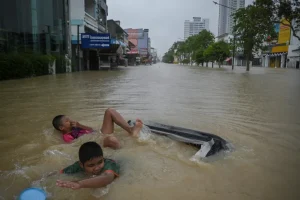
Temperatures are increasing at double the global average in the region according to their research. These changes have come with a host of extreme weather events, including heatwaves, droughts and extreme rainfall.

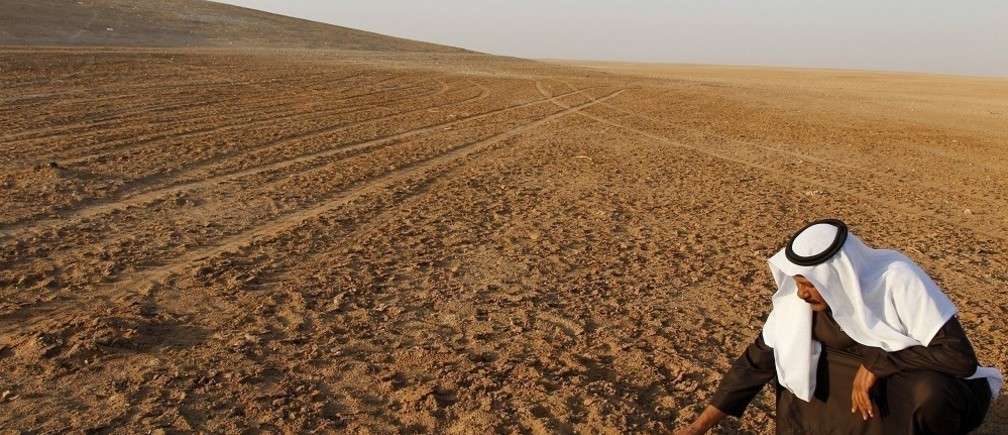
The increase in draughts is a pertinent issue. Water scarcity is a historical problem faced by the Arab region regardless of climate change, but it is now escalating rapidly. Libya endured one of the most extreme drought periods in its modern history this year.
These effects were similarly felt in neighbouring Tunisia, with the country not seeing rainfall of over 500mm between April and November of 2025. This added a sixth consecutive year of extreme drought.
This report comes after the objections raised by the Arab group of 22 countries led by Saudi Arabia to climate action at the UNCOP30 climate summit. Arab countries such as Qatar, Saudia Arabia and The UAE rely on the sale of fossil fuels as the backbone of their economies, despite their use being the primary cause of human induced climate change.
These countries are amongst the most at risk in terms of climate change, with experts predicting a 4C increase in the Saudi Arabian climate over the next century.
But the regions extreme heat, could provide an additional route to riches for the Gulf States as the global community aims to transition to renewable energy sources, including solar power. Saudi Arabi, The UAE and Oman are investing heavily in solar projects in a bid to diversify their sources of wealth as the use of fossil fuels declines.
Africanews, Financial Times, WMO, Maghrebi.org, Earth.Org

Want to chase the pulse of North Africa?
Subscribe to receive our FREE weekly PDF magazine