Andrew Hammond: Macron seeks reset in China ties
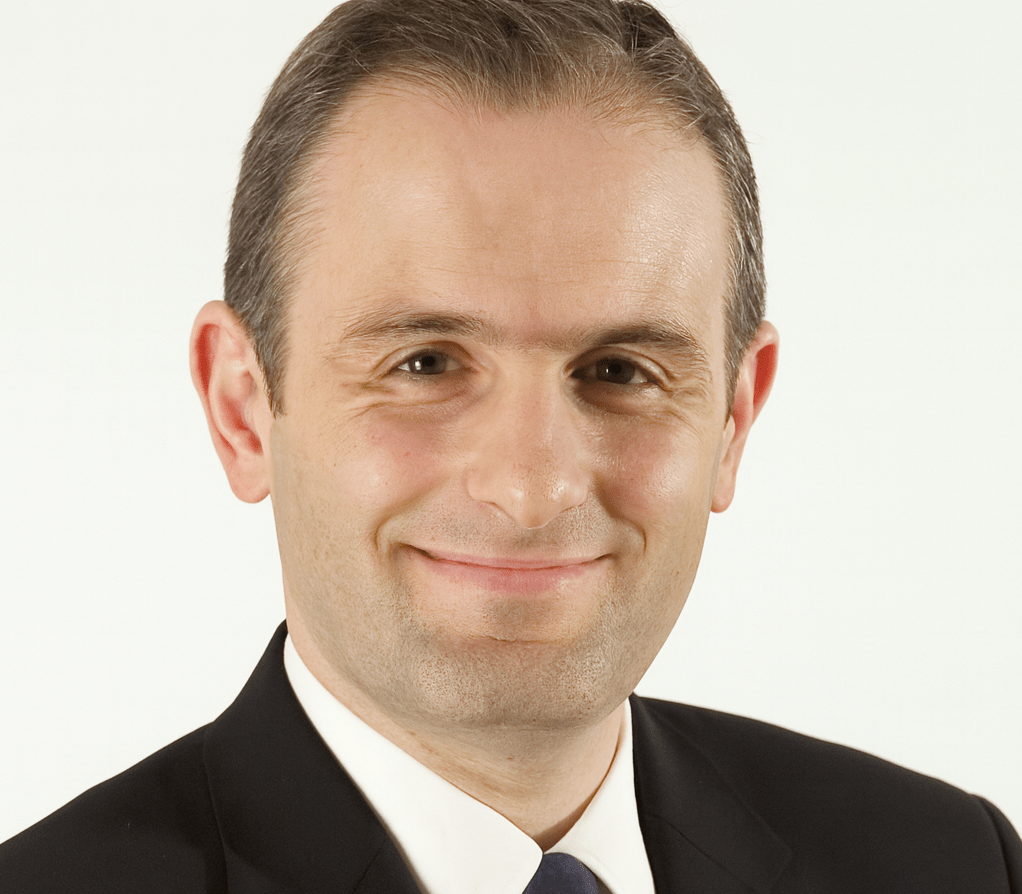

French President Emmanuel Macron recently travelled to China for what was technically a bilateral state visit. However, he has higher hopes of a much bigger reconfiguration of Europe’s relationship with the emerging superpower.
Macron, who was making his fourth trip to China, is rarely short of confidence in his ability to win world leaders around. And he clearly enjoys a positive relationship with Xi Jinping. On December 5th, the Chinese president hosted his French counterpart in the southwestern city of Chengdu, a relatively rare example of Xi accompanying a foreign guest beyond Beijing.
This followed an earlier leg of the trip in the capital. There, the two sides signed a dozen cooperation agreements covering topics like population ageing and nuclear energy. There were also business deals for French firms that joined Macron and are keen to secure greater access to the huge Chinese market.
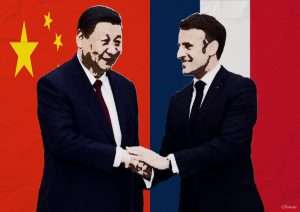
Also on the agenda for the French president was the bigger prize of a new framework for Europe’s future relationship with China. On December 4th, he argued that “we are facing the risk of the disintegration of the international order that brought peace to the world for decades and, in this context, the dialogue between China and France is even more essential than ever.”
Macron’s ambition is to bring new balance to China-Europe ties not only in terms of economics, but also security. This is in a context where bilateral relations have been on a generally downward trajectory since the pandemic, including as a result of China’s qualified support for Russia’s war in Ukraine.
Ultimately, Macron is pushing for a reset of ties toward a new relationship independent of the ones these two powers have with others, including the US and Russia. He hopes this could be based on respect and reciprocity, with the two sides having complementary interests, such as Europe’s need for greater supplies of rare earths and China’s desire for sophisticated microchips.
This strategic shift would see China consume more and export less, with EU producers filling the gap — a long-standing ambition of many European policymakers. This is in a context where the EU’s trade deficit with China was almost $350 billion in 2024. For France, China alone makes up about 46 percent of its total bilateral trade deficit.
Before the trip began, it appeared there could be some movement toward these goals by China, which would welcome greater clarity over Europe’s strategy toward Beijing. Chinese Ambassador to France Deng Li made this point when he said that the EU’s characterization of Beijing as both a competitor and a partner is akin to being at a “crossroads with the red, green and yellow traffic lights all on at the same time.”
Another signal for potential movement on the trip was that, unlike several previous Macron visits to China, his last being in 2023, he was not accompanied by European Commission President Ursula von der Leyen. She has been more hawkish than Macron on relations with China. This includes helping devise what she calls the EU’s “de-risking” strategy toward Beijing to minimize “dangerous dependencies” in areas like tech equipment and the raw minerals used to make items such as batteries and solar panels.
Nevertheless, when push came to shove, Macron made little progress on this agenda during his trip. This is, in part, because Xi knows that the French president does not speak for a unified Europe. It is not just Von der Leyen who has a more skeptical stance than Macron toward China. For instance, Poland tends to be much more negative about ties with Beijing, while Lithuania even allowed Taiwan to open a representative office in Vilnius in 2021.
These divided EU views have not only given rise to perceptions of intra-European splits on China, but intra-Western schisms too, especially compared to the generally more hawkish US.
Ultimately, Macron is pushing for a reset of ties toward a new relationship independent of the ones these two powers have with others, including the US and Russia.
Outside of economics, last week’s talking points included foreign policy. This is an agenda where Macron has, in the past, said that the EU should aim to become a “third pole” in world affairs alongside Washington and Beijing, with greater “strategic autonomy.”
Top of the international agenda for the French president with Xi was Ukraine, at a time when the US administration is seeking a breakthrough in negotiations to end the war. Macron said on Thursday: “I hope that China will join our call, our efforts to achieve, as soon as possible, at the very least a ceasefire in the form of a moratorium on strikes targeting critical infrastructure.” However, while Xi said that “China supports all efforts that work toward peace,” he did not shift policy on this issue away from Russia.
Another key foreign policy topic raised was Taiwan. Macron received much criticism in the West when he asserted, on a previous China trip, that this issue should not be one that Europe should focus too strongly on. Last week’s discussion between Xi and Macron on this issue followed the recent assertion of new Japanese Prime Minister Sanae Takaichi, a key G7 ally, that any Chinese blockade or invasion of Taiwan would necessitate Tokyo deploying its military overseas. This statement irritated Beijing so much that it reportedly pressed US President Donald Trump to rein in Takaichi.
READ: Eddie Monkman: El Hishri is a start, but Libya has a long way to go
Macron’s trip showed that Europe and China can still gain from partnerships on issues of common interest. While he did not deliver on much of his grand agenda, his goal remains to show that, despite significant tensions, it is not inevitable that relations with Beijing will continue to sour and that a different future is possible.
The views expressed in this article belong to the author and do not necessarily reflect the editorial policy of Maghrebi.org. Andrew Hammond is an associate at LSE IDEAS at the London School of Economics.
If you wish to pitch an opinion piece, please send your article to grace.sharp@maghrebi. org.

Want to chase the pulse of North Africa?
Subscribe to receive our FREE weekly PDF magazine