UN chief warns funding crisis is jeopardising operations

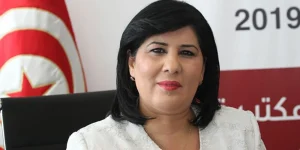
Top UN human rights chief warned on December 10 that the organisation’s ability to respond to global crises is being severely undermined by a steep decline in funding, forcing the Office of the High Commissioner for Human Rights (OHCHR) into what he described as “survival mode.”
Reported by Arab News via Reuters, High Commissioner Volker Türk said the budget shortfall has become so acute that in 2025, the OHCHR is operating with $90 million less than it requires, resulting in the loss of around 300 staff posts and sweeping reductions across its field work.
As the United Nations marked its 80th anniversary in 2025, senior officials acknowledged that the organisation is entering a period of acute financial strain. Secretary-General António Guterres has repeatedly warned that the UN’s liquidity crisis is accelerating, saying in October 2025 that the UN faces ‘race to bankruptcy’ and that failure to stabilise its finances could compromise essential UN functions.
The updated budget request for 2026 represents a substantial reduction from his initial proposal of $3.715 billion and falls 15.1 percent below the amount authorised for 2025.
“Our resources have been slashed, along with funding for human rights organisations – including at the grassroots level – around the world,” Türk told journalists. “We are in survival mode.”
Visits by UN special rapporteurs and other independent experts have been cancelled or delayed, he added, while fact-finding missions have been reduced. Reviews of states’ compliance with UN human rights treaties have also slowed sharply, falling from 145 last year to 103 in the current cycle.
“All this has extensive ripple effects on international and national efforts to protect human rights”, he said.
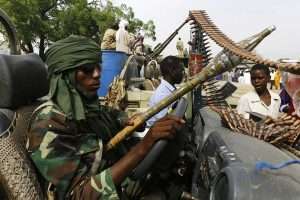
Türk highlighted serious concerns over multiple active conflicts, pointing in particular to Sudan, where the Rapid Support Forces (RSF) captured the city of Al-Fashir in October and have since advanced into the Kordofan region.
“I am extremely worried that we might see in Kordofan a repeat of the atrocities that have been committed in Al-Fashir,” he said, noting that the paramilitary group recently seized Sudan’s largest oil field.
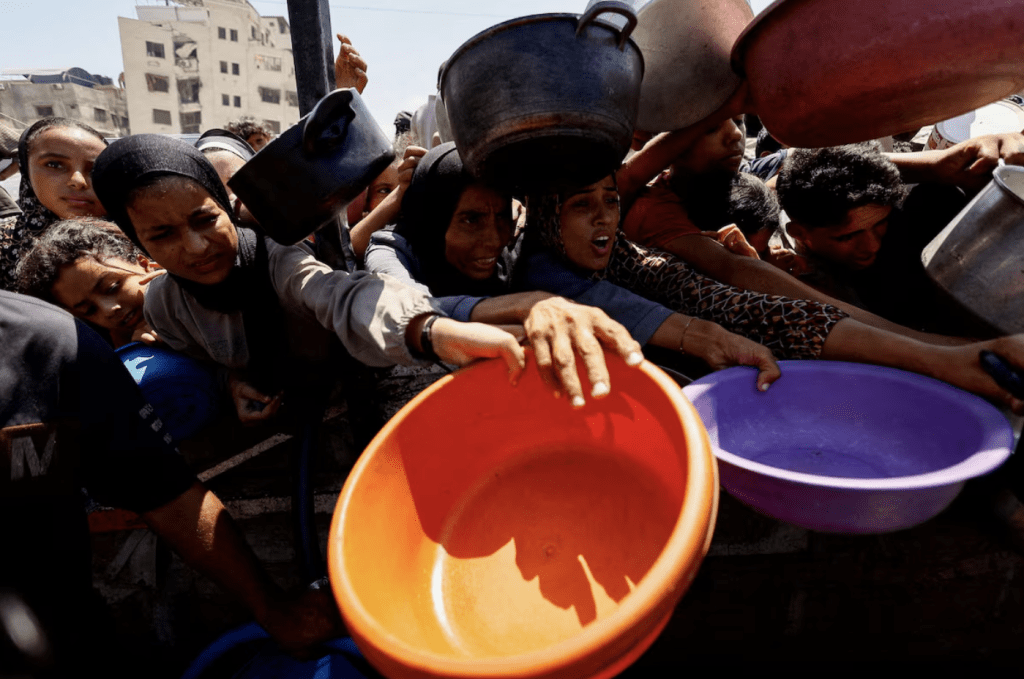
This statement follows Türk’s warning to the international community in November, when he cautioned that “It’s clear that atrocity crimes are being committed as we speak. People were beleaguered and under siege, under horrific conditions, no food, hardly any water… We have reports of people having to eat animal feed, for example, eating peanut shells.”
He also cited a sharp escalation in civilian harm in Ukraine, where Russia’s growing use of long-range weaponry has contributed to a 24 percent rise in civilian casualties compared to the same period last year. Ukraine is simultaneously facing mounting political pressure at home, as a series of corruption scandals have eroded public confidence and strained the government’s internal stability. These developments come at a moment when Kyiv’s most critical partners, including the United States, have become more distant, complicating Ukraine’s access to the funding and weapons on which its defence effort depends.
Türk stressed that the funding crisis is not limited to the UN system. Local and international human rights organizations are facing parallel cuts, further weakening oversight in areas where abuses are widespread.
The United States has cut funding to UNICEF, a move that has seriously damaged aid efforts in many African countries. The UN has previously acknowledged that several aid agencies will have to downsize or reduce the scope of their operations following a significant withdrawal of US funding.
Arab News via Reuters, UK Parliament, UN, Maghrebi.org

Want to chase the pulse of North Africa?
Subscribe to receive our FREE weekly PDF magazine