Zaid M. Belbagi: Why water security defines MENA’s future

The Middle East and North Africa region’s battle against water scarcity has never been more urgent. As climate change escalates, with rising temperatures and frequent droughts, the region finds itself at the forefront of global efforts toward innovative water solutions.
The Innovation-Driven Water Sustainability Conference, held in December in Jeddah, highlighted Saudi Arabia’s role in leading desalination and water innovation efforts across the region. With water scarcity in the Arab world reaching critical levels, governments are investing in bold initiatives and partnerships, positioning MENA countries as global pioneers in water security.
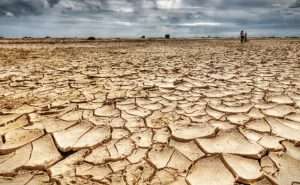
Water scarcity has long been a pressing challenge for major MENA countries, exacerbated by unpredictable weather patterns. Governments in the region are responding with ambitious investments and are planning to nearly double current desalination capacity by 2030. The region, which already accounts for a staggering 60 percent of global desalination capacity, aims to raise investments from $39.3 billion in 2022 to $100 billion by 2030. This drive is a response to the mounting global demand for freshwater, which is expected to surge by up to 25 percent by 2050. The region’s population is projected to grow by 30 percent between 2020 and 2050, intensifying the pressure on already-strained water supplies.

Saudi Arabia, leading the charge, is set to increase its desalination capacity by 10 percent, reaching 17.8 million cubic meters per day by 2030. Today, desalination is a cornerstone of water supply in the Gulf. In Kuwait, nearly 90 percent of drinking water comes from desalination, while in Saudi Arabia the figure stands at 70 percent. In the UAE and Oman, the figures are 42 percent and 86 percent, respectively. As demand for freshwater surges, desalination is no longer an innovation but a necessity.
A notable example in this effort came in November, when Eastern Province Gov. Prince Saud bin Naif inaugurated the Toray Membrane Middle East Factory in Dammam. This facility, the largest of its kind in the region, is a joint venture between Saudi Arabia’s Abunayyan Holding and Japan’s Toray Industries. With an investment exceeding $267 million, the factory will serve as a regional hub for membrane and desalination technologies. The plant is expected to produce 300,000 membranes annually, helping to localize the desalination supply chain and advance industrial self-sufficiency.
But Saudi Arabia’s efforts go beyond traditional desalination. A leading partnership between the Saudi Water Authority and US-based Ebb Carbon has set a new global benchmark by seeking to decarbonize the desalination process. This partnership, the world’s first large-scale effort to reduce carbon emissions in desalination, is a key step in making desalination more sustainable, especially as the Kingdom seeks to balance water security with its environmental commitments.
Oman is also making significant investments in desalination innovation. In mid-2025, the sultanate inaugurated its first solar-powered desalination plant in Musandam, a major leap toward sustainable water solutions. Powered entirely by solar energy, this plant uses reverse osmosis technology to convert seawater into drinkable water while minimizing carbon emissions. This project represents an innovative solution that reduces Oman’s reliance on fossil fuels and mitigates the environmental impact of traditional desalination methods.
Technology is at the heart of these advancements and MENA countries are not just leading in desalination capacity, they are also investing heavily in advanced technologies such as reverse osmosis and multistage flash distillation. Saudi Arabia and the UAE are home to the world’s largest desalination plants, with the Kingdom’s Riyadh Desalination Plant producing 1.02 million cubic meters of water per day. Qatar’s Ras Abu Fontas A plant, one of the largest reverse osmosis plants in the world, produces more than 400,000 cubic meters daily.
As MENA countries bolster their desalination capacities, their role in the global water market is becoming increasingly influential. The region is becoming a key example on the global stage, sharing expertise, technologies and solutions with other nations grappling with similar water scarcity challenges.
The Middle East and North Africa region’s battle against water scarcity has never been more urgent.
However, the growth of desalination capacity comes with its own set of challenges. One of the most pressing concerns is the cyclical effect between desalination and energy consumption. As demand for desalinated water increases, so does the need for energy, particularly for cooling desalination plants. This creates a feedback loop in which more desalination leads to greater energy demand, which in turn leads to more water being required for cooling, thereby increasing desalination needs even further. This cyclical effect places a strain on both water and energy resources, raising concerns about the long-term sustainability of the sector.
The cost of desalinated water also remains a significant hurdle. According to the World Bank, the cost of desalination is high, with Saudi Arabia’s desalinated water priced at about $1.50 per cubic meter, a figure similar to that in the UAE. These costs are inevitably passed on to consumers, creating economic challenges, especially in lower-income areas. In a region where economic growth and social stability are paramount, the high costs of desalinated water could pose a barrier to broader access.
As MENA continues to position itself at the forefront of global desalination and water innovation, the path forward requires more than just technological ambition. The region now faces the pressing task of balancing its remarkable advancements with the principles of sustainability. With growing water demand and the environmental and economic impacts of desalination, the challenge is not only about expanding capacity but doing so in a way that preserves long-term resources.
READ: Fergus Kell: Tanzania’s elections test the nation’s future
To ensure lasting success, MENA countries must embrace a holistic strategy, one that integrates innovation with the responsible management of water and energy. Only then can the region truly secure a sustainable and resilient water future.
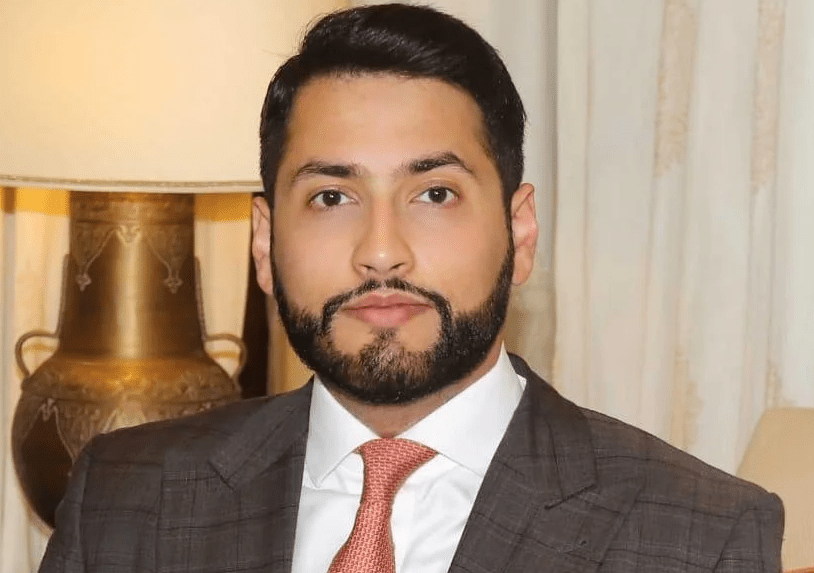
The views expressed in this article belong to the author and do not necessarily reflect the editorial policy of Maghrebi.org. Zaid M. Belbagi is a political commentator and an adviser to private clients between London and the Gulf Cooperation Council. X: @Moulay_Zaid.
If you wish to pitch an opinion piece, please send your article to grace.sharp@maghrebi.org

Want to chase the pulse of North Africa?
Subscribe to receive our FREE weekly PDF magazine