Sudan ranks highest in humanitarian crisis watchlist
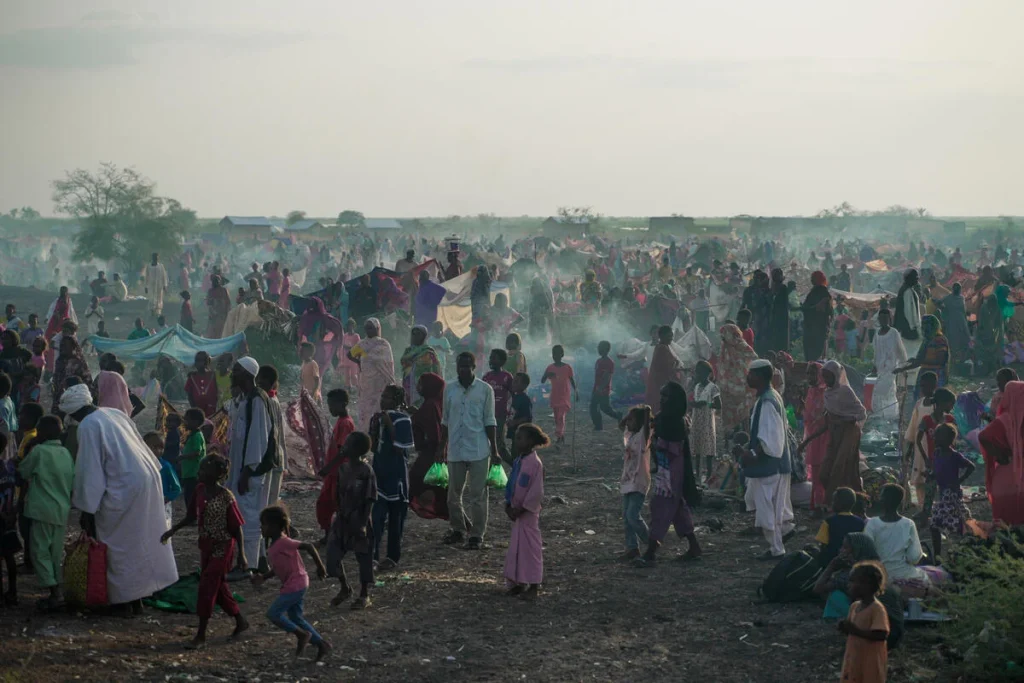
An international aid group listed Sudan at the top of a watchlist for global humanitarian crises for the third year in a row on 16th December, as the country remains embroiled in civil war, according to a report by The Associated Press.
The International Rescue Committee (IRC) said Sudan was the country most in danger of a deepening humanitarian crisis in 2026, alongside 19 other countries also at risk.
The IRC demanded increased global humanitarian funding, which dropped by 50% in 2025, leaving it on course to be the deadliest year for countries in need.

The watchlist saw the occupied Palestinian territories and South Sudan placed second and third, and also included Ethiopia, Democratic Republic of Congo, Ukraine and Syria amongst others.
The IRC projects the listed countries to encompass more than half of the world’s extremely poor by 2029, labelling the situation a “New World Disorder” that has undermined “the post-WWII international system once grounded in rules and rights.”
David Milliband, President and CEO of the IRC, described the enormity of the crisis in Sudan as a “signature of this disorder.”
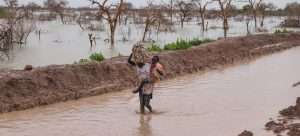
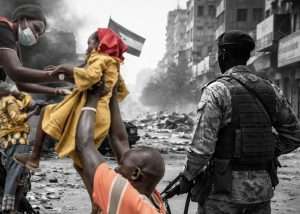
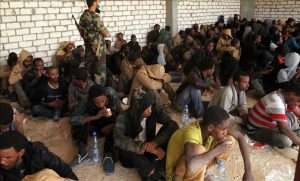
The civil war has seen an estimated 14 million people displaced, including 5 million children, amidst rapidly growing concerns over the spread of famine and the outbreak of disease.
Mass killings, rapes and ethnically charged violence have been a constant feature of the war since it began in April 2023. Both the Rapid Support Forces (RSF) and Sudan’s military have been accused of breaches of international law, with the majority of allegations levelled at the RSF.
In late October, witnesses in el-Fasher city informed The Associated Press that RSF fighters killed civilians and committed sexual violence as they took the city from the Sudanese military.
U.N. High Commissioner for Human Rights Volker Türk said that war crimes and “potentially” crimes against humanity had been committed in el-Fasher.
Reviewed satellite images of the city by The Yale School of Public Health’s Humanitarian Research Lab showed evidence of “widespread and systematic killing,” including of civilians seeking to flee RSF control.
The Associated Press, Maghrebi.org
Want to chase the pulse of North Africa?
Subscribe to receive our FREE weekly PDF magazine