Female directors reshape Arab cinema, amid Saudi festival
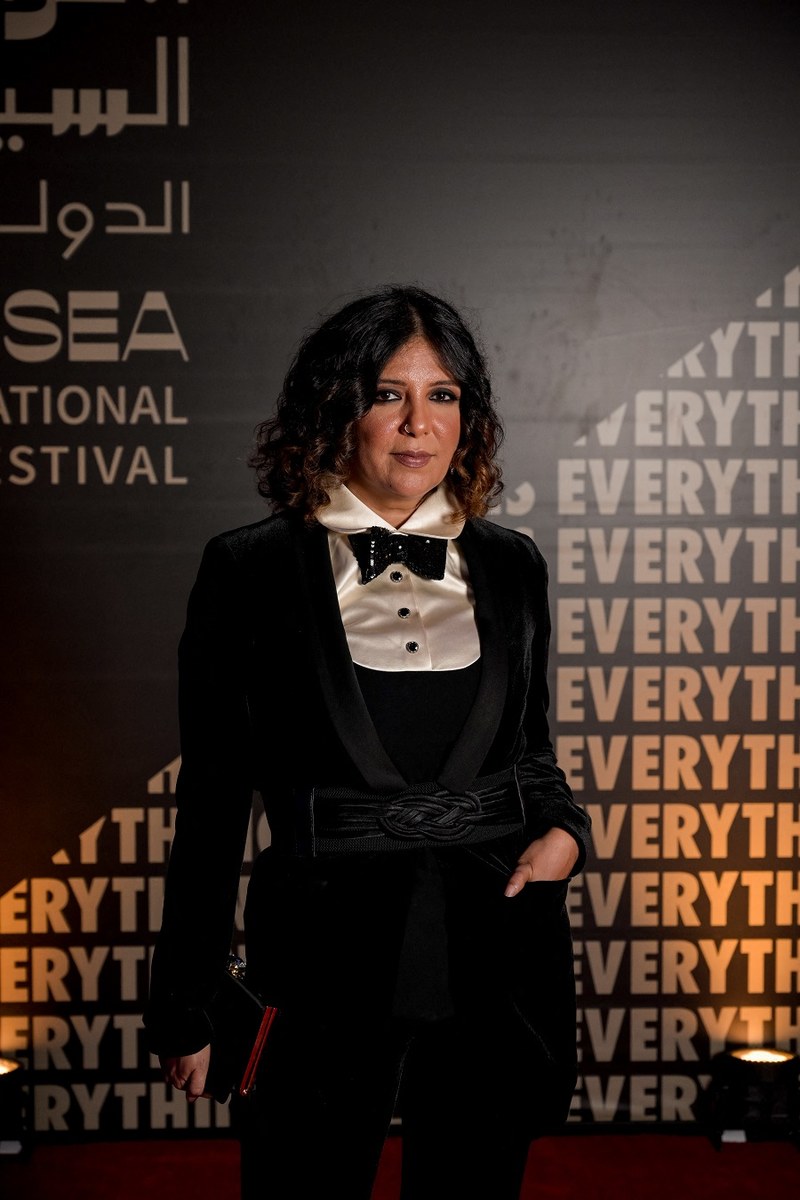
Arab female film directors are reshaping the region’s cinema landscape, using films to tell stories long marginalised and to claim space in an industry where women have historically struggled to advance, according to Africanews on December 18th.
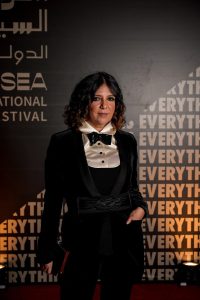
Four influential women filmmakers featured at this year’s Red Sea International Film Festival in Jeddah in Saudi Arabia, an event that highlighted both the rise of female voices in Arab cinema and Saudi Arabia’s investment in cultural industries such as film, gaming and sports. Rights groups have criticised these initiatives, arguing that they risk diverting attention from the kingdom’s human rights record.
Saudi filmmaker Shahad Ameen emerged as one of the standout voices at the festival, with her film Hijra winning the Yusr Jury Prize. The film narrates the story of three women travelling from Taif to Mecca for the Hajj pilgrimage before one granddaughter disappears in the desert, prompting a search across southern Saudi Arabia. Ameen said her passion for filmmaking developed through historical Arab television dramas and a desire for Arabs to tell their own stories. She described the Red Sea Film Festival as a turning point for cinema in Saudi Arabia, while noting that filmmaking remains an uncertain and demanding path for Arab women.

Amira Diab, whose journey into cinema followed a career in financial investment in Manhattan, said her path changed after exposure to Palestinian cinema and later formal training in Los Angeles. Her work includes short films and collaborations with Palestinian director Hany Abu-Assad, as well as the Netflix short film “As a Husband”, which resonated with audiences for its portrayal of life in the Palestinian territories. Diab said her feature film “Wedding Rehearsal” evolved to be set in Egypt, broadening its cultural reach. Despite experience in Hollywood, she said she remains committed to telling Arab stories centred on women’s perspectives.
Jordanian director Zain Duraie premiered her first feature film, Sink, at the festival. The film explores the relationship between a mother and her mentally ill son, a subject rarely addressed in Arab cinema. Duraie said her interest in filmmaking began in childhood and was strengthened through hands-on experience across multiple production roles. She said resistance to women working behind the camera only reinforced her determination, and added that Arab cinema still has progress to make in achieving gender inclusion.
Palestinian American filmmaker Cherien Dabis premiered her film “All That’s Left of You”, a multigenerational story tracing one family’s experience from the 1948 Nakba to 2022. The film explores themes of displacement, loss and survival under prolonged occupation and won the Silver Yusr Feature Film award, which includes a $30,000 prize. Dabis said her motivation to become a filmmaker stemmed from the absence of authentic Arab and Palestinian representation in Western media. While growing up in the United States offered greater access to the industry, she said racism and stereotyping reinforced her determination to tell her community’s stories. She also highlighted the pressure women directors face to counter assumptions about authority on set.
The four filmmakers reflect a growing movement of female directors who are challenging conventions, and trying to expand representation in Arab cinema.
Africanews, Maghrebi.org
Want to chase the pulse of North Africa?
Subscribe to receive our FREE weekly PDF magazine