UN: Libya’s instability rooted in its political fragmentation
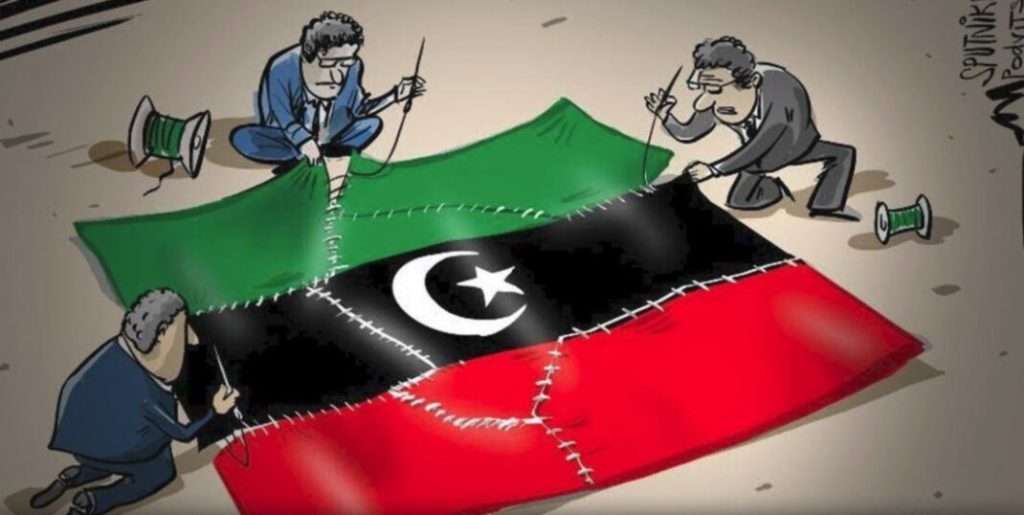
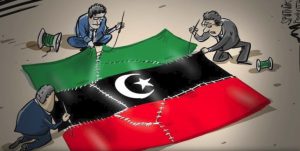
Libya’s prolonged instability remains rooted in political fragmentation, according to the United Nations Support Mission in Libya (UNSMIL), which says the country lacks a single, nationally legitimate executive authority, as reported by The Libya Observer on December 17.
The UNSMIL outlined these conclusions while presenting the results of extensive consultations tied to a UN-backed “structured dialogue.”
Libya remains divided politically between two rival governments: the House of Representatives in the east and the Government of National Unity (GNU), which is situated in the western province of Tripoli and is recognized by the UN as Libya’s legitimate government.

The structured dialogue brought together more than 120 participants from across eastern, southern and western Libya, a cross-section intended to reflect the country’s geographic divisions and social diversity. Discussions were held through a combination of in-person meetings, virtual sessions and public opinion polling.
According to the findings, unifying Libya’s fragmented state institutions is a central requirement for resolving the crisis. Participants emphasised that any sustainable political settlement depends on the creation of a single, internationally-recognised government with nationwide authority.
This, the mission said, must be accompanied by the adoption of a unified national budget and the organisation of elections within a broader, coherent political framework.
The consultations also underscored the close link between political dysfunction and economic strain. Participants pointed towards the need for comprehensive economic reform as part of the path towards stability, alongside measures to curb the influence of armed groups operating outside state control.
Another recurring theme was the role of militias in perpetuating insecurity. The dialogue stressed that disarmament, or the integration of armed groups into official state structures, is a necessary condition for restoring order. Limiting the political and economic power of these groups was identified as a prerequisite for peace that can endure.
The UN mission said the outcomes of the dialogue reflect a broad consensus among Libyans that piecemeal solutions will not resolve the crisis. Instead, participants called for an inclusive political process capable of addressing governance, security and economic challenges together, laying the groundwork for a unified and stable state.
The Libya Observer, Maghrebi.org
Want to chase the pulse of North Africa?
Subscribe to receive our FREE weekly PDF magazine