Libya: Airstrip becomes crucial supply hub for Sudan’s RSF

An airstrip in Libya’s southeastern desert has emerged as a decisive factor in Sudan’s civil war, helping supply the Rapid Support Forces (RSF) and extend their control across large parts of Sudan, as reported by Reuters on December 22.
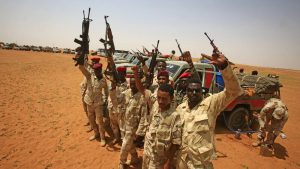
The airstrip near Kufrah, roughly 300 kilometres from Sudan’s border, has served as a vital supply corridor for the RSF, a paramilitary force locked in conflict with Sudan’s army since April 2023. Military assistance routed through the facility helped the RSF regain momentum after losing Khartoum in March. It also played a central role in the group’s capture of al-Fasher in October, strengthening its grip over Darfur and paving the way for further advances in Sudan.
Sudan’s war, triggered by a power struggle between the army and the RSF over the integration of their forces, has killed and displaced tens of thousands and caused widespread famine. The RSF traces its origins to the Janjaweed militias used by the Sudanese government two decades ago during the Darfur conflict.
Satellite imagery, flight tracking data, and social media posts indicate that Kufrah’s airport, essentially derelict until earlier this year, underwent significant renovation and received dozens of cargo flights beginning in the spring.
Justin Lynch of the Conflict Insights Group identified at least 105 cargo plane landings between April 1 and November 1, linking the flight patterns to alleged support from the United Arab Emirates. The UAE has denied backing either side in Sudan’s war, however, reports indicate extensive UAE support for the RSF.
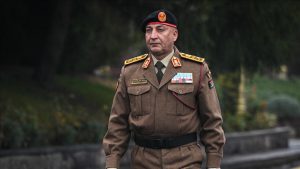
The UAE has reportedly been a key ally for the Libyan National Army (LNA) and has backed the group and its commander, Khalifa Haftar, for nearly a decade, as reported by the Atlantic Council. The LNA seized control of eastern Libya with UAE support and has since operated in regions characterised by smuggling and trafficking networks. UN experts and other analysts cited in the report describe how these LNA-controlled areas, including Kufrah, have become part of broader logistics and trafficking routes tied to regional conflicts, such as the conflict in Sudan.
A 2022 UN report documented that airlines accused of transporting military equipment from the UAE to Sudan had previously supplied Haftar as part of an airbridge into Libya. While the LNA has repeatedly denied supporting Sudan’s Rapid Support Forces or taking sides in Sudan’s war, the airport at Kufrah sits in territory under its control, and its commander has been identified as being allied with the UAE.
An LNA official in Kufrah said the flights carried civilians and Libyan security personnel, rejecting claims of RSF activity.
Western diplomats and UN officials said the Kufrah route became increasingly important after political pressure disrupted RSF supply lines through eastern Chad. As fighting shifted toward Darfur, the Libya corridor became a critical logistics hub, reshaping the conflict’s trajectory and reinforcing the RSF’s capacity to sustain its ongoing military operations.
After the paramilitary force captured el-Fasher, widespread reports emerged of mass killings, which investigators said could amount to genocide.
Reuters, Atlantic Council, Maghrebi.org
Want to chase the pulse of North Africa?
Subscribe to receive our FREE weekly PDF magazine