Study shows complicity of oil-supplying countries in Gaza war

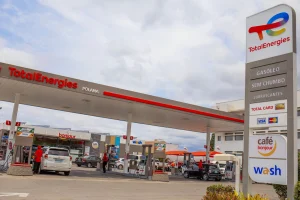
A new investigation has exposed 25 countries who supplied oil to Israel throughout its two-year military campaign in Gaza, AFP reported on November 14th.
Unveiled at the UN climate summit in Brazil, the report from Oil Change International accused the global fossil-fuel system of enabling “genocide” by sustaining Israel’s war machine.
The data shows that while much of the world condemned the assault on Gaza, energy shipments quietly continued, transporting over 21 million tonnes of crude and refined fuel.
Palestinians have previously challenged the complicity and responsibility of companies supplying oil to Israel, such as a group of British Palestinians who took BP to court for the companies role in fuelling Israel’s genocide in Gaza.
The analysis, conducted by the research firm Data Desk, tracked 323 shipments spanning 21.2 million tonnes. Azerbaijan and Kazakhstan emerged as Israel’s largest crude-oil suppliers, together accounting for 70 percent of imports over the period.
Russia, Greece and the United States were identified as the main providers of refined petroleum products, with the United States singled out as the sole supplier of JP-8 jet fuel used in military aircraft.

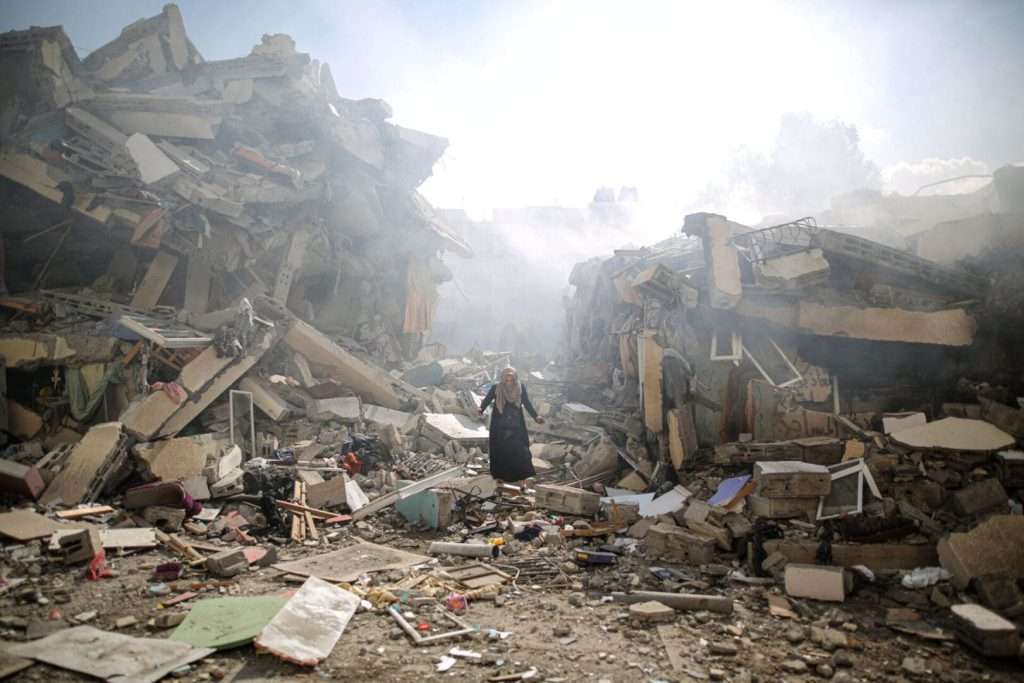
The war began in October 2023 when an attack by Hamas killed 1,221 people in Israel, mostly civilians. Israel’s genocidal campaign in Gaza has killed more than 69,000 Palestinians, according to Gaza’s health ministry, figures considered credible by the United Nations.
The United Nations Commission of Inquiry concluded that Israel has committed genocide in Gaza. The International Court of Justice (ICJ) has ruled that Israel’s actions are unlawful. Legal experts say that states continuing to provide military or logistical support risk complicity under the Genocide Convention.
Some countries have begun to distance themselves: in August 2024, Colombia formally suspended coal exports to Israel. While official records show Brazil last sent oil directly in March 2024, the Rio de Janeiro Oil Workers Union claims shipments may have been rerouted through Italy.
The findings in the report highlight the link between global energy trade and armed conflict, pressing governments to reconsider their fossil-fuel relationships due to conflicts around the world and the unfolding climate crisis.
AFP, Maghrebi.org
Want to chase the pulse of North Africa?
Subscribe to receive our FREE weekly PDF magazine