Burkina Faso to reinstate death penalty for terrorism, treason
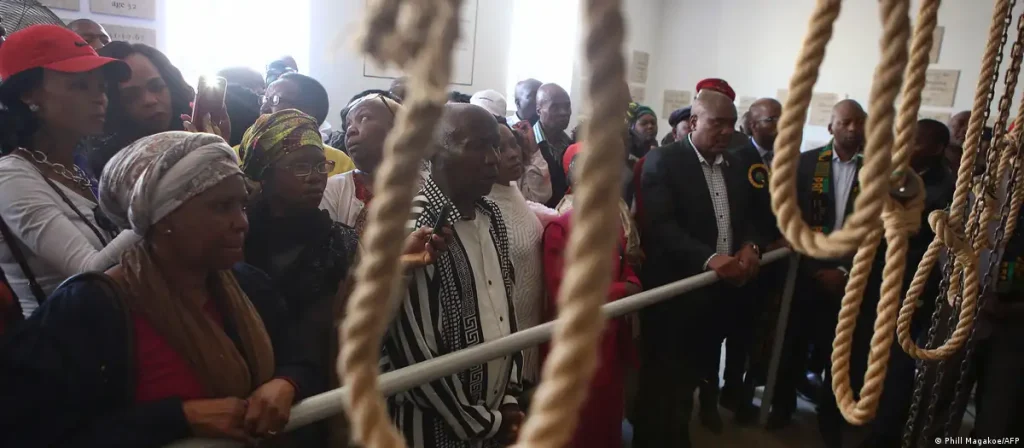
Many African countries, including Burkina Faso, have abolished the capital punishment of death penalty (via AFP)

The Council of Ministers in Burkina Faso have adopted a bill to reinstate the death penalty for offences such as treason, terrorism, and espionage, according to AP on December 5th.
Death Penalty in Burkina Faso was previously abolished in 2018, replacing it with a maximum of life imprisonment. The last known death penalty execution was carried out in 1988; however, despite being abolitionist in practice for a long time, the country has still handed out death penalties as sentences before the 2018 ruling came about.
The new bill is yet to be discussed in parliament and passed as a law.
Burkina Faso’s military-led government has recently detained people on the grounds of spying and treason, including the NGO, Safety Organisation INSO, who they accused of conducting activities even after they were suspended. They have also clamped down on several senior journalists in the country and fired foreign journalists in an attempt to silence independent voices.
The military junta led by Captain Ibrahim Traoré seized power in the country after a coup in September 2022. Traoré has emphasised the inefficiencies of previous leaders in responding to terrorism, but the country climbed the ranks in the most severely afflicted by terrorism under his rule.
The junta was also accused of violating human rights, with a UN report revealing 2,000 cases of documented child recruitment, killings, sexual violence, and abuse. The report was dismissed because what they claimed had a lack of evidence.
The shift in Burkina Faso comes against a wider backdrop in Africa, where executions and the death penalty have sharply risen. Amnesty International reports that sub-Saharan executions have more than tripled and death sentences have climbed by 66% in 2023. Even so, 24 African countries have abolished the death penalty, and two more have limited its scope.
As the Sahel state navigates security challenges from armed groups linked to al-Qaeda and the Islamic State, the Minister of Justice argues that “The adoption of this bill is part of reforms … to have a justice that responds to the deep aspirations of our people.”
Amnesty International, Cornell Law School, Entrevue, Maghrebi.org

Want to chase the pulse of North Africa?
Subscribe to receive our FREE weekly PDF magazine