Kenya: Vodacom plans to control 55% stake of Safaricom
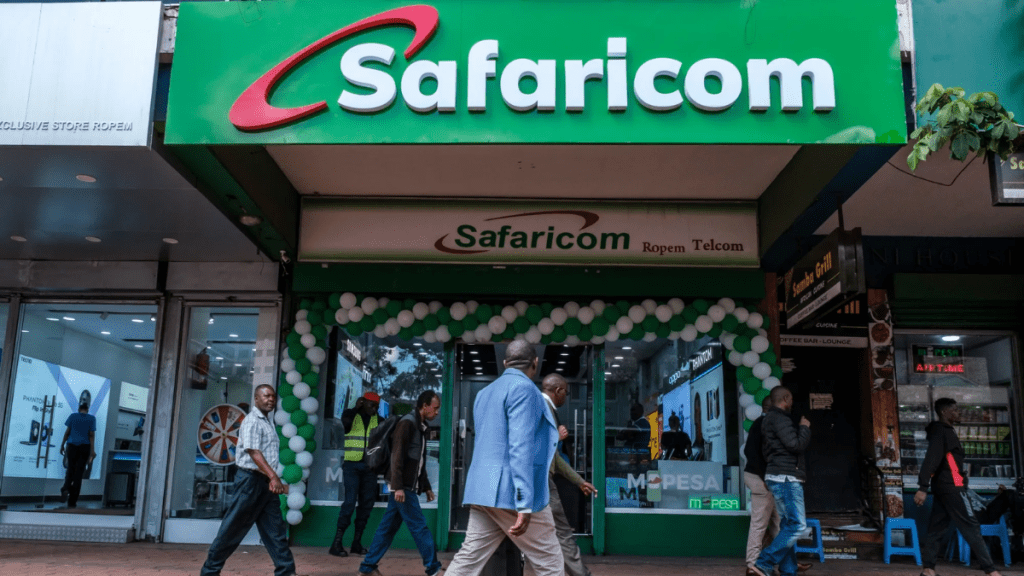

South African Vodacom Group aims to increase its stake to 55% through a $2.1bn share purchase in Kenya’s Safaricom, according to a report by African Business on December 4th.
The deal includes acquiring a 15% share from the Kenyan government and an additional 5% from Vodafone, Safaricom’s parent group.
The offer is priced at KES34 ($0.26) per share and requires regulatory approval in Kenya, Ethiopia and South Africa. Safaricom will continue to be listed on the Nairobi Stock Exchange, and the Kenyan government will retain a 20% share and its board seat.

Safaricom is a popular mobile network service provider in Kenya and also offers the M-Pesa money service, which has become a crucial part of how people pay, transfer and save money in the country.
Safaricom dominated Kenya’s domestic market for years, further expanding into Ethiopia in 2022 and introducing services in the country through Safaricom Telecommunications Ethiopia. It now offers mobile network and M-Pesa services there as well.
Vodacom, which is majority-owned by the UK’s Vodafone, said the move aligns with its push toward faster-growing African markets. CEO of Vodacom Group, Shameel Joosub, said, “This landmark transaction will mark a pivotal step in Vodacom’s journey to accelerate growth and deepens our impact across Africa.”
“Acquiring a controlling stake in Safaricom strengthens our position as a market leader, while at the same time unlocks new opportunities to drive digital and financial inclusion at scale in Kenya and Ethiopia. Safaricom’s outstanding track record and differentiated growth outlook perfectly complement our Vision 2030 ambitions, empowering us to deliver sustainable value for all stakeholders and to connect millions more people for a better future”, he added.
Safaricom CEO Peter Ndegwa embraced the plan, saying Vodacom has been an important partner since the company’s inception. He stated that the increased stake shows strong confidence in Safaricom’s strategy and promotes more opportunities to expand services across the region.
For Kenya, the sale is part of President William Ruto’s wider effort to privatise parts of major state-owned firms. The programme has faced legal challenges, but officials describe it as essential to bring in investment without raising taxes or adding to public debt.
Kenya’s cabinet secretary for the National Treasury and Economic Planning, John Mbadi, said the government is keeping a significant share because Safaricom remains an important national asset.
African Business, Maghrebi

Want to chase the pulse of North Africa?
Subscribe to receive our FREE weekly PDF magazine