Syria’s al-Sharaa shines abroad but loses trust at home
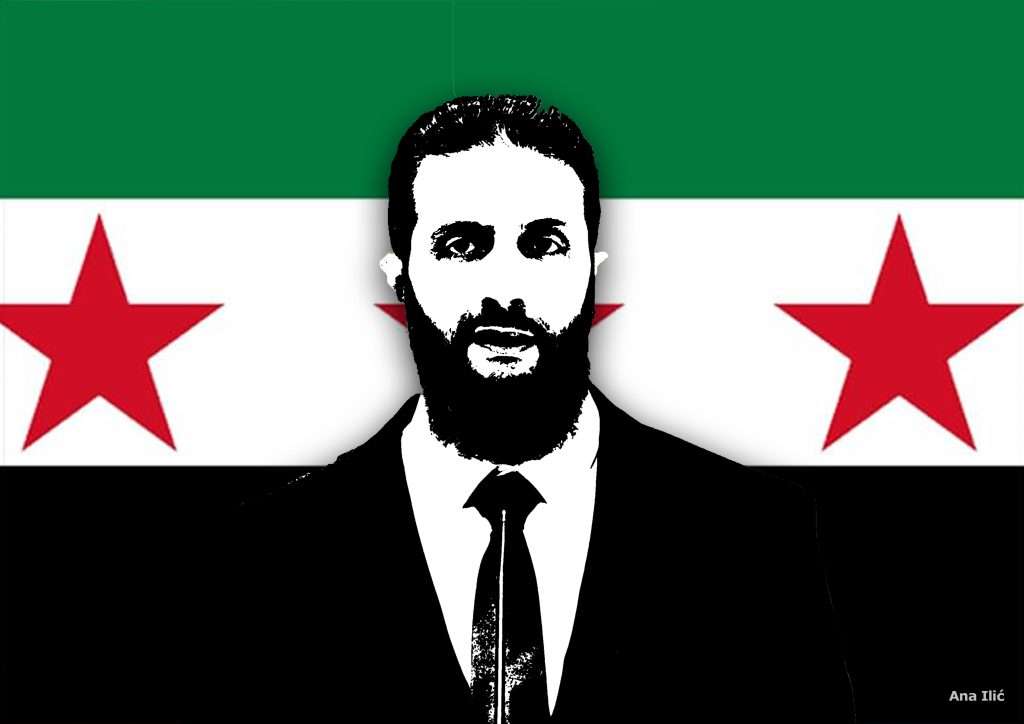

A year after toppling Bashar al-Assad, Ahmed al-Sharaa has revitalised Syria’s international standing, yet his hold on Syria remains threatened by sectarian bloodshed and distrust at home, as reported by AFP on December 5th.
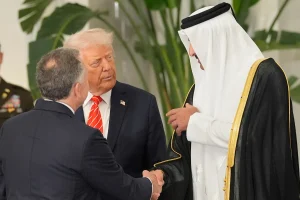
Sharaa, a former jihadist once wanted by the United States for his ties to Al-Qaeda, has become a favoured figure for US President Donald Trump and has toured capitals across the Gulf, Europe, and Washington since his alliance seized Damascus in December 2025.
Sharaa has secured the removal of his name and Hayat Tahrir al-Sham (HTS) from terrorism lists. A UN delegation has returned to Damascus for the first time in years, and major Western powers including the United States, the European Union and Britain have lifted significant economic sanctions. Syria has since announced a series of investment deals spanning infrastructure, transport and energy.
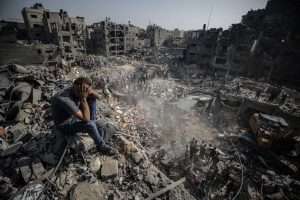
But analysts warn that these international victories contrast sharply with turmoil inside the country. Sectarian attacks in Alawite and Druze regions have underscored how fragile the situation remains. In March, massacres in Alawite communities killed more than 1,700 people, according to the Syrian Observatory for Human Rights.
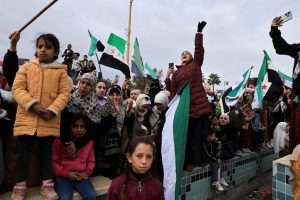
Hundreds of people in Syria’s Latakia and other areas held rare mass demonstrations on November 25th to denounce recent attacks on the Alawite community and to demand unity, security, justice, and the release of detainees.
The protests, sparked by renewed sectarian tensions and recent unrest in Homs, reflect deepening fears of escalating violence following months of deadly clashes across the Syrian coast.
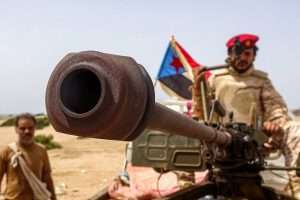
In July, clashes in the Druze-majority Sweida province resulted in more than 2,000 deaths, including hundreds of civilians. Authorities have launched investigations and arrested suspects, yet doubts persist about the government’s ability, or willingness, to curb violence by factions absorbed into the new armed forces.
Nanar Hawach of the International Crisis Group said Syria has “opened a new chapter,” but warned that rehabilitation abroad means little if Syrians do not feel safe. Nicholas Heras of the New Lines Institute argued that Sharaa has “twice failed” at national reconciliation and still lacks control over a unified security apparatus.
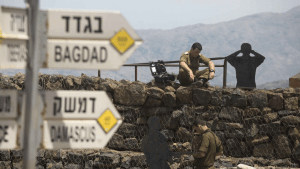
Complicating matters further are calls for secession on the coast and in Sweida, stalled efforts to integrate Kurdish institutions, and continuing Israeli military operations, including the occupation of the Golan Heights and the surrounding areas. Donald Trump has urged Israel not to destabilise Syria’s new leadership.
AFP, Maghrebi.org

Want to chase the pulse of North Africa?
Subscribe to receive our FREE weekly PDF magazine