UAE’s influence risks exacerbating Yemen’s civil war
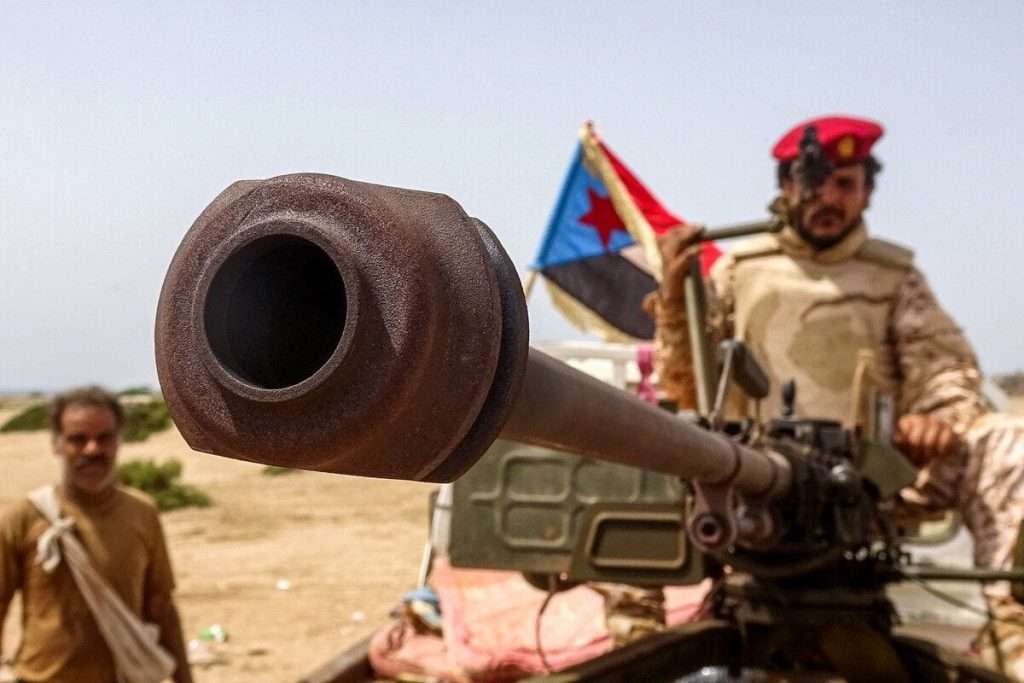

A major shift in Yemen’s long-fragmented conflict unfolded as a separatist faction backed by the United Arab Emirates (UAE) seized most of Hadramout, a sprawling province rich in oil resources and strategically positioned between Saudi Arabia and the Arabian Sea, as reported by The New York Times on December 5th.
The advance by the Southern Transitional Council (STC) has upended a fragile equilibrium and raised fears that Yemen’s civil war, which has stagnated in recent years, could ignite once again.
Yemen has endured a complex war marked by competing authorities and shifting alliances. In the north, the Iran-backed Houthis dominate territory inhabited by the majority of the population, having taken control of the capital, Sanaa, in 2014 and pushing the internationally recognised government south.
Senior STC officer Amr Bidh stated in an online press briefing on December 4th that the organisation was discussing whether to launch a coordinated ground campaign against the Houthis with Yemeni and foreign allies.
The UAE-backed STC takeover in Hadramout has highlighted the competing agendas of the two Gulf powers, with Saudi Arabia supporting a unified Yemeni state, while the UAE appears focused on expanding its influence along Yemen’s southern coast in order to secure strategic maritime routes across the Red Sea and the Horn of Africa.
The STC, created in 2017, has emerged as the strongest force in the south, openly seeking to reestablish an independent southern state that existed until 1990.
Tensions in Hadramout escalated in January when tribal fighters with Saudi ties took control of several oil fields, halted production flows, and demanded a larger share of revenue and improved services. Their blockade triggered widespread blackouts, creating an opening the STC swiftly exploited.
According to Bidh, the group moved to “restore security,” secure energy infrastructure, and curb smuggling routes. STC forces confronted both tribal fighters and government-aligned troops, eventually pushing east toward Al-Mahra.
At one border crossing, an official reported receiving orders from senior commanders to replace the national flag with that of the former South Yemen.
The Houthis have been weakened after Israeli and US airstrikes earlier this year, including one Israeli strike that killed their then Chief of Staff Muhammad Abd Al-Karim al-Ghamari.
The Houthi’s diminished capability and reduced willingness to project power has also been reflected in their halt of attacks on Israel and vessels in the Strait of Hormuz following the Gaza ceasefire. But this could be seen as an indication that the group may now be redirecting its military assets towards more urgent domestic challenges, such as the growing threat from the STC.
The New York Times, Maghrebi.org

Want to chase the pulse of North Africa?
Subscribe to receive our FREE weekly PDF magazine