Rare bird species thrives in Morocco after breeding success

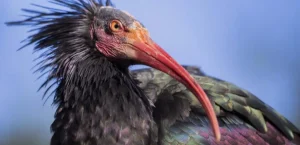
Northern bald ibis. Credit: Shutterstock
Conservationists report rising numbers and improved survival rates of birds following a long-term breeding and habitat protection programme reported Africa News on 24 December.
A rare bird species, the northern bald ibis (Geronticus eremita), is thriving in Morocco after a successful conservation and breeding programme that environmental groups and authorities describe as a major success for wildlife protection in the country.
The northern bald ibis, once hunted to near extinction by the 17th century, has been revived through dedicated breeding and rewilding efforts at the National Zoological Garden of Rabat. Inside the zoo, veterinarians and technicians feed, monitor and prepare the birds for breeding and eventual release into the wild.
Recognisable by their black-green feathers, bare red heads and long, curved beaks, these migratory birds once soared across North Africa, the Arabian Peninsula and much of Europe before human pressures drove their numbers down.
The programme, which has been underway for several years, was launched in response to steep population declines caused by habitat loss, human disturbance and illegal hunting. At one point, conservationists warned that the species faced local extinction in parts of North Africa. Today, new data suggests those fears are easing, as breeding pairs increase and chicks survive at higher rates in the wild.
Saad Azizi, head of the veterinary and zoological service, said the Rabat zoo saved around 20 birds in 2015, and now ten years later, their numbers have doubled.
The staff replicated their breeding environment by dedicating areas for mating and reproduction, with branches placed to help the birds build their nests.
The initiative combines captive breeding with gradual reintroduction into carefully selected natural habitats. Breeding centres were established to monitor mating pairs, incubate eggs where necessary and rear chicks until they were strong enough to survive independently. Once released, the birds were tracked and monitored to assess how well they adapted to their surroundings.
According to conservation data, similar efforts in Europe, including work led by research groups in Austria, helped shift the northern bald ibis from ‘critically endangered’ to ‘endangered’ on the International Union for Conservation of Nature (IUCN) Red List.
Protected zones were expanded, nesting areas were fenced off during sensitive periods and food sources were safeguarded to ensure the birds could feed naturally. These measures have helped create stable conditions that allow the species to reproduce without constant human intervention.
Recent field surveys show a steady rise in the number of active nests, alongside improved chick survival rates. Researchers say the birds are now breeding across a wider geographic area, including locations where they had not been recorded for decades. This expansion is being viewed as a key indicator that the population is becoming more resilient.
Local communities have played a central role in the programme’s success. Conservation groups worked closely with residents, farmers and landowners to raise awareness about the species and its ecological importance. Educational campaigns highlighted how protecting nesting sites benefits biodiversity more broadly, while community members were encouraged to report sightings and avoid disturbing breeding areas.
In some regions, the project has also been linked to eco-tourism initiatives. Guided wildlife tours and observation points have provided new sources of income, helping to build local support for conservation efforts. Officials say this community-based approach has reduced conflicts between wildlife protection and economic activity.
Moroccan environmental authorities have described the recovery as evidence that long-term planning and cooperation can deliver tangible results. The programme aligns with wider national strategies aimed at preserving biodiversity and protecting endangered species, as Morocco faces increasing environmental pressures from climate change and development.
Despite the progress, conservationists caution that the work is far from complete. Continued funding, monitoring and habitat protection will be essential to ensure the population remains stable. Climate variability, expanding agriculture and infrastructure development continue to pose risks to fragile ecosystems.
Even so, the recovery of this rare bird species is being hailed as a rare conservation success in the region. Environmental groups say it offers a practical model for similar programmes across North Africa, demonstrating that sustained effort and local engagement can reverse the decline of even the most threatened species.
Africa News and Maghreb.org
Want to chase the pulse of North Africa?
Subscribe to receive our FREE weekly PDF magazine