Guinea’s new giant iron-ore mine could reshape the country’s future
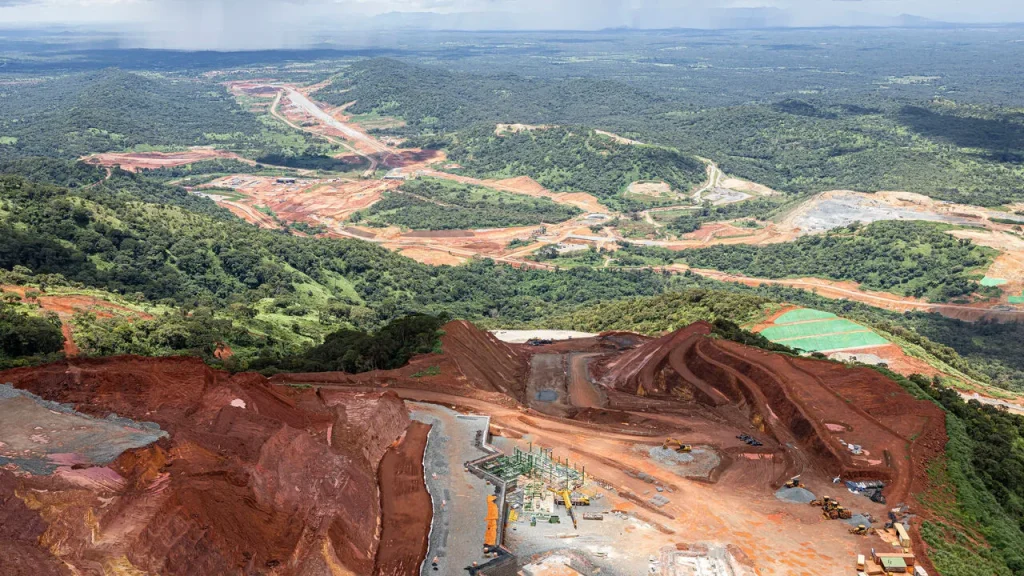
Credit: Getty

Guinea’s long-awaited Simandou iron-ore project promises vast wealth but raises urgent questions over governance, environmental harm and who will truly benefit, reported The Economist on 7 December.
Simandou ranks among the world’s biggest iron-ore reserves, holding around 3 billion tonnes of ore valued at about $315 billion at today’s prices. After nearly three decades of delays caused by political instability, corporate scandals and enormous infrastructure challenges, ore from Simandou has now been shipped abroad for the first time.
The mining project, which is now the world’s largest greenfield iron-ore venture, required building a 620 km railway and a new deep-sea port to connect the remote highlands to the Atlantic coast. The costs, estimated at over $20 billion, were shared by Rio Tinto (with a roughly 25% stake) and Chinese-led partners, including a Chinese-Singaporean consortium.
Officials in Conakry have lauded the launch of the mine as a turning point. The government hopes revenues will overhaul the country’s infrastructure, improve education, and spur broader economic development. Mining in Guinea makes up about 20% of the country’s GDP and contributes over 90% of its export earnings.
To manage the expected inflows responsibly, Guinea plans to create a sovereign wealth fund by mid-2026. The fund aims to channel resource earnings into long-term investments in infrastructure, education, agriculture and industry and buffer the economy against commodity-price volatility.
Yet significant dangers remain. The rush of iron-ore exports risks triggering “Dutch disease,” inflating Guinea’s currency, undermining other export sectors, and making the economy overly dependent on one commodity. Environmental concerns are serious as the mine threatens a biologically rich ecosystem, which is a habitat of endangered species, and construction has already caused pollution, soil runoff, and water contamination affecting hundreds of villages.
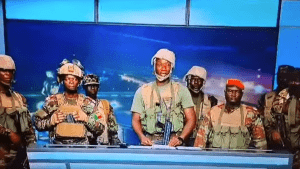
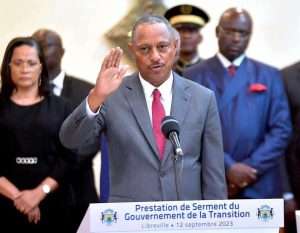
There is also a social and political dimension. The project has bolstered the power of the country’s ruling military government, led by Mamady Doumbouya, who came to power in a 2021 coup. The first shipments left just weeks ahead of a presidential election scheduled for 28 December. Critics warn that before sustainable development is given priority, the mine could become a tool for consolidating power and enriching the few while leaving the many behind.
For many Guineans, Simandou’s launch brings a fragile hope: a once-in-a-generation chance to transform the economy. But whether it will deliver broad-based progress or deepen inequality and ecological damage depends on decisions made now about governance, investment, and environmental protection.
The Economist, Maghrebi

Want to chase the pulse of North Africa?
Subscribe to receive our FREE weekly PDF magazine